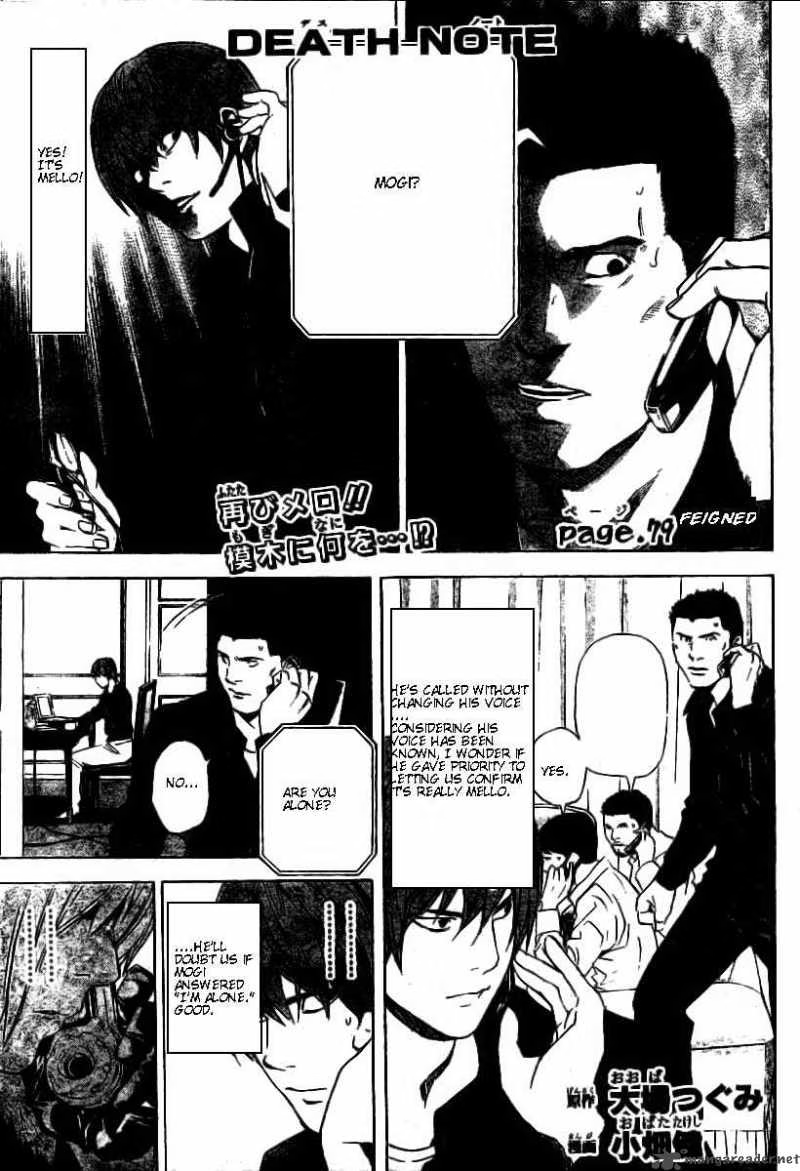
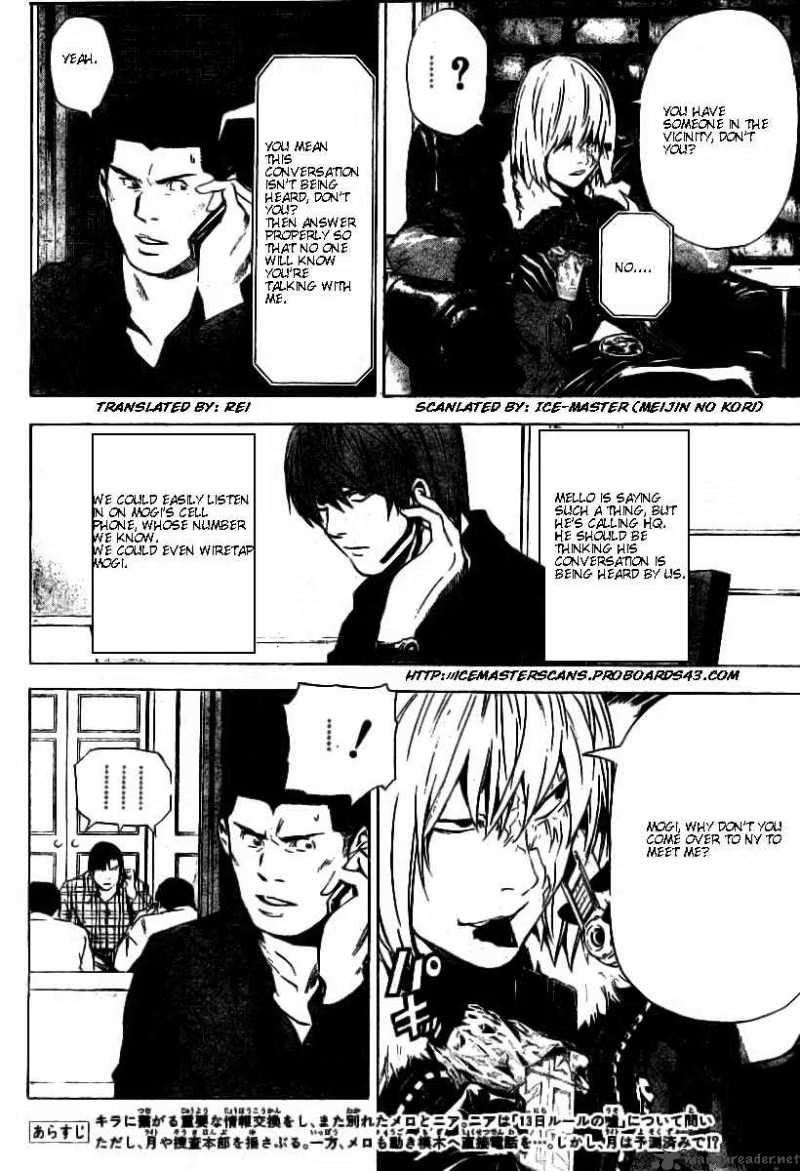
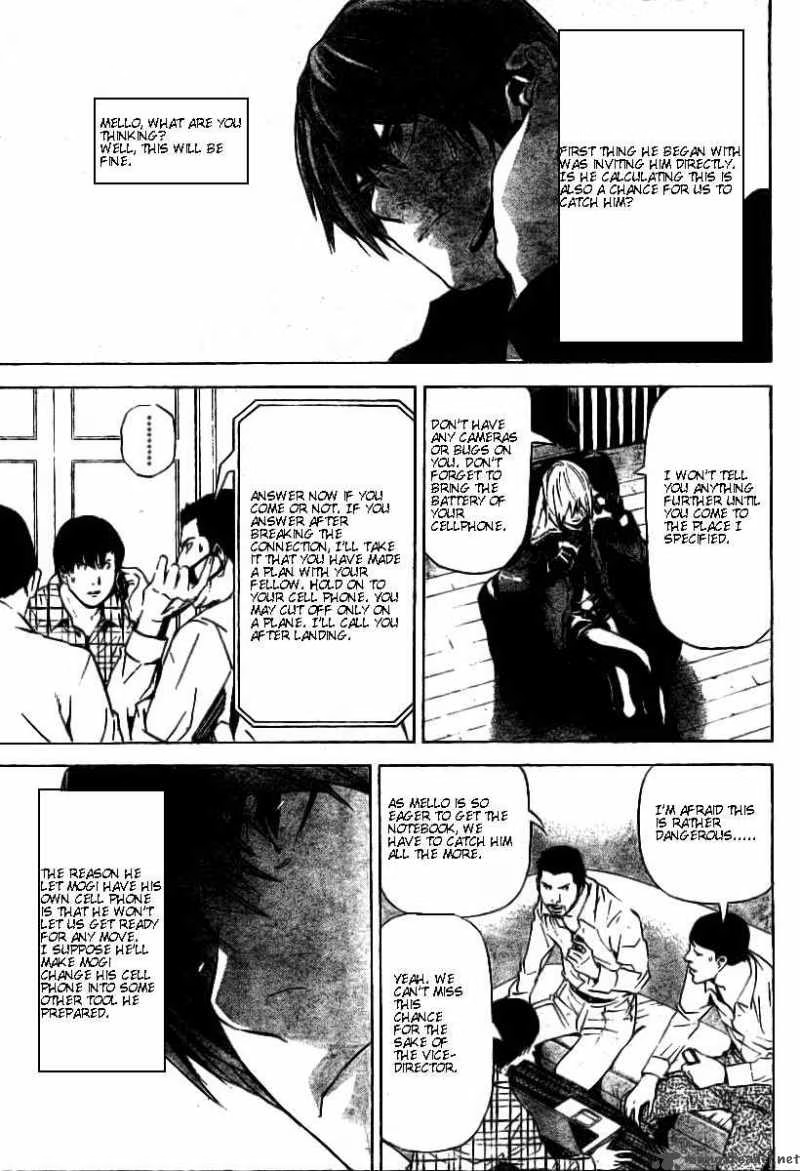
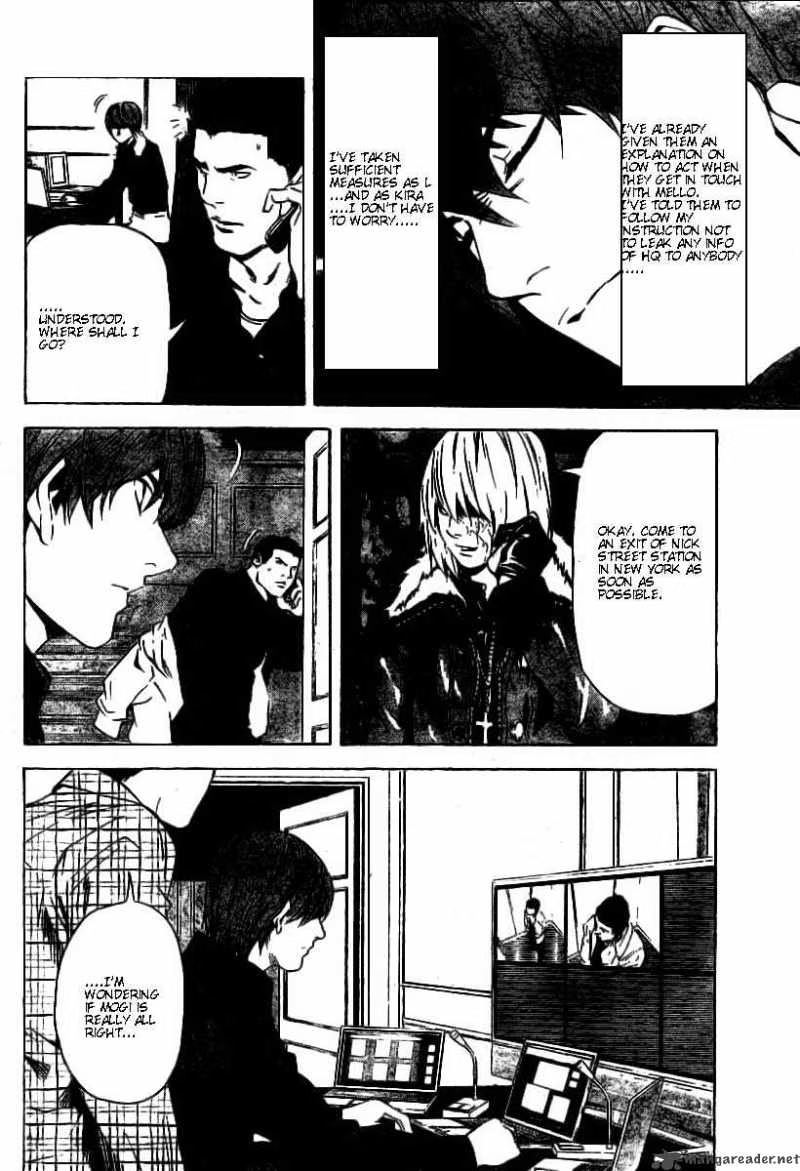
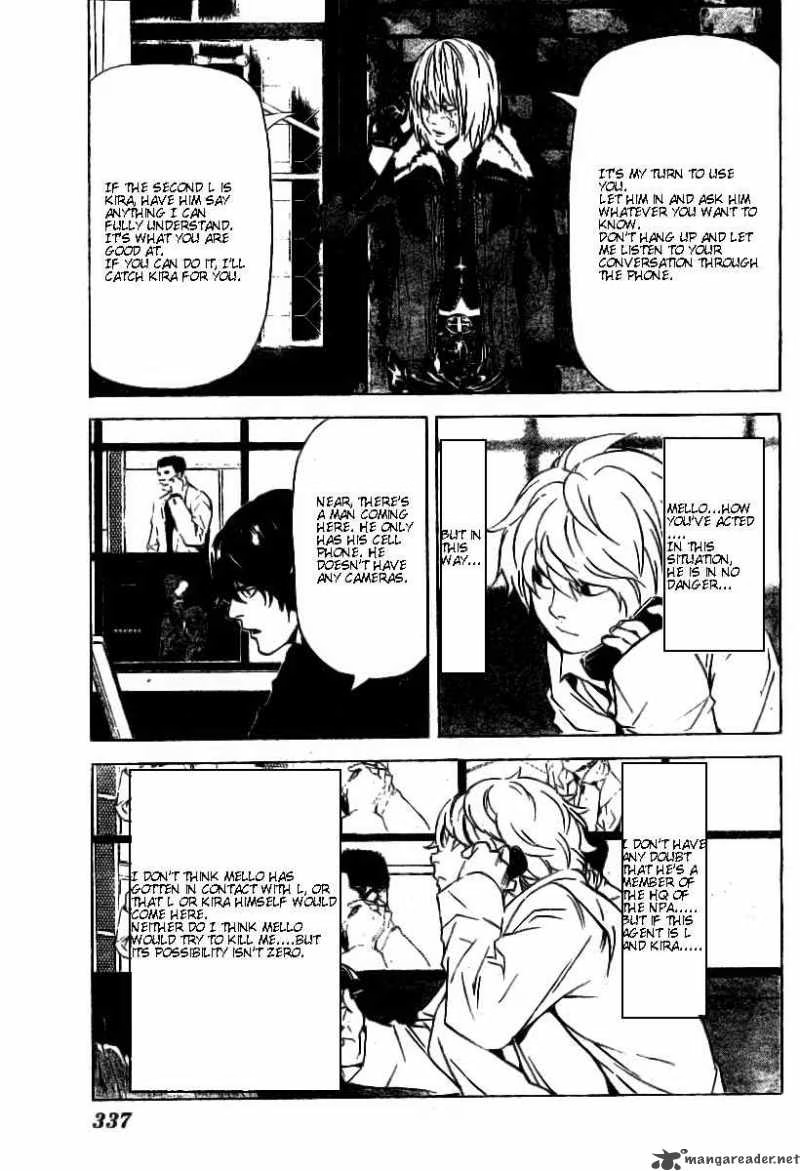
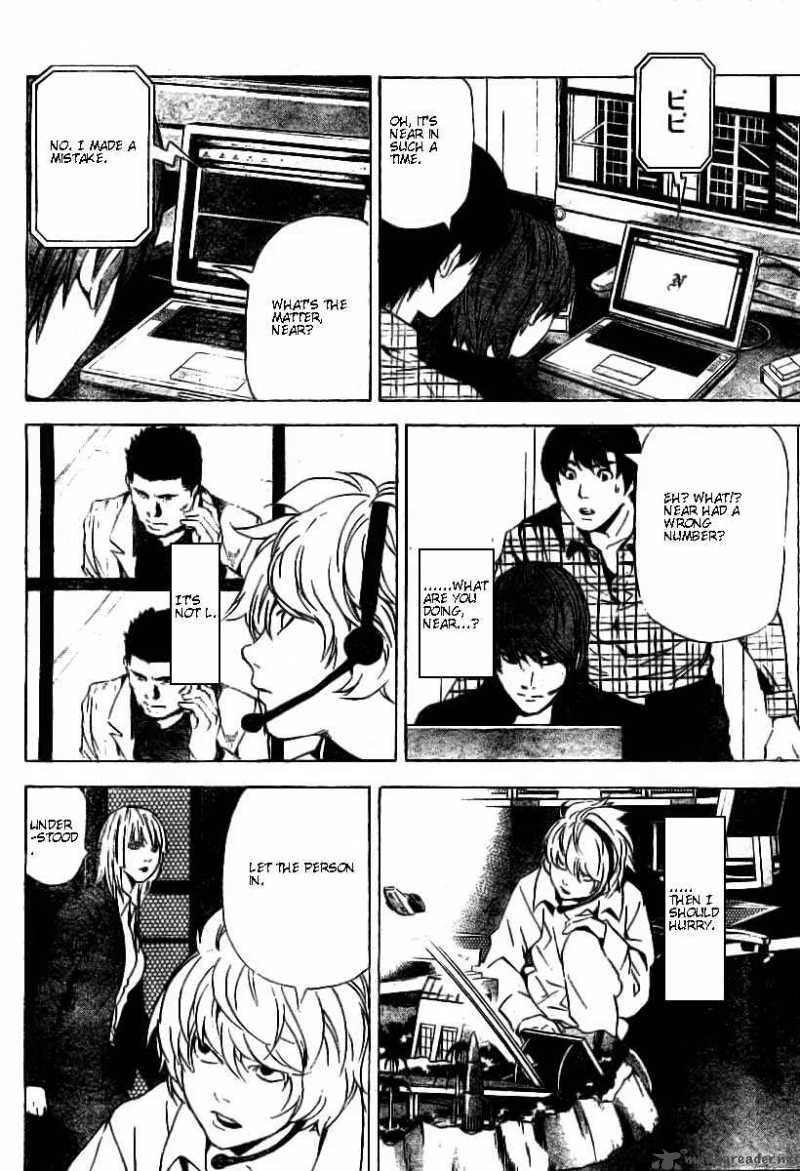
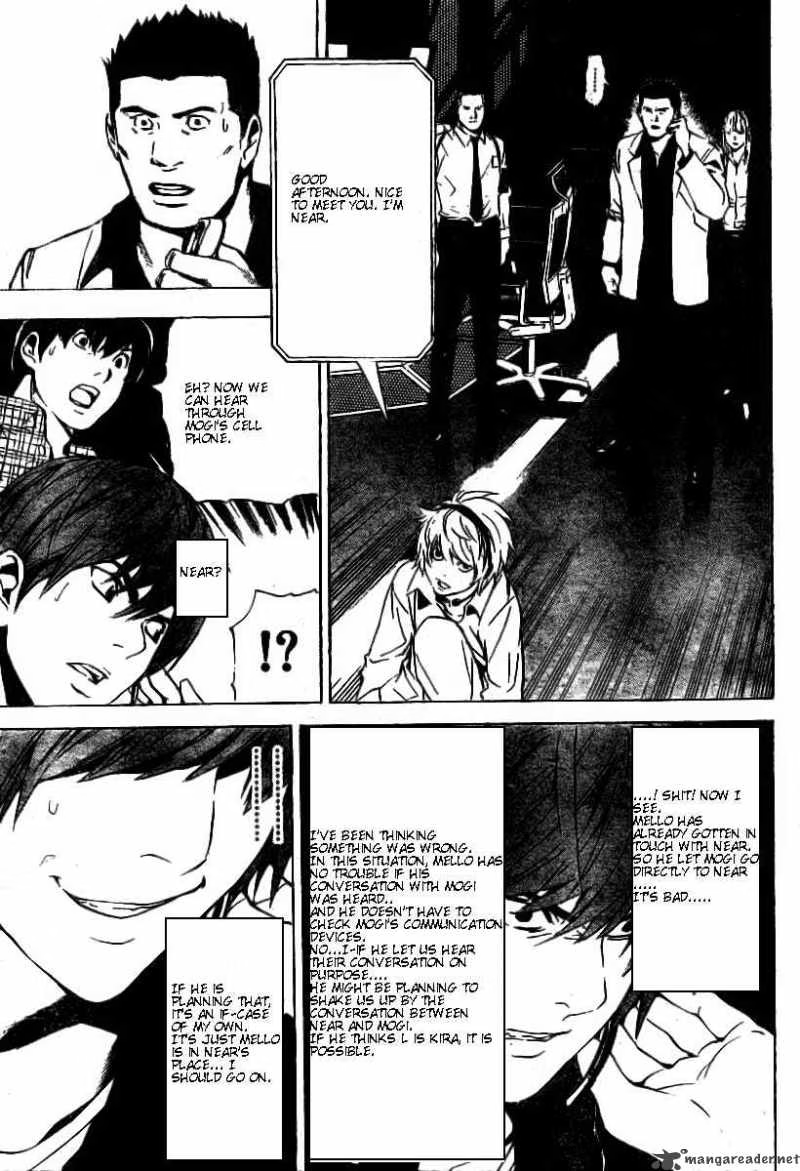
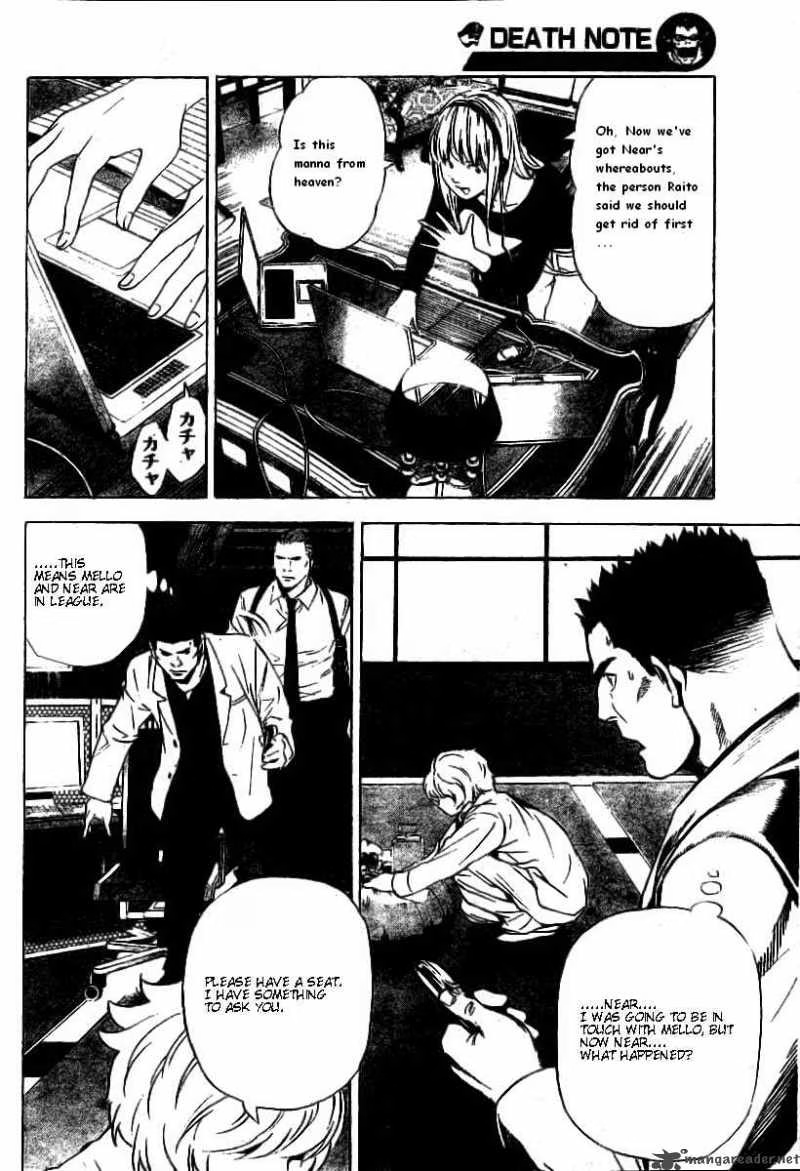
ANALYSIS: Chapter 79 – “Feigned”
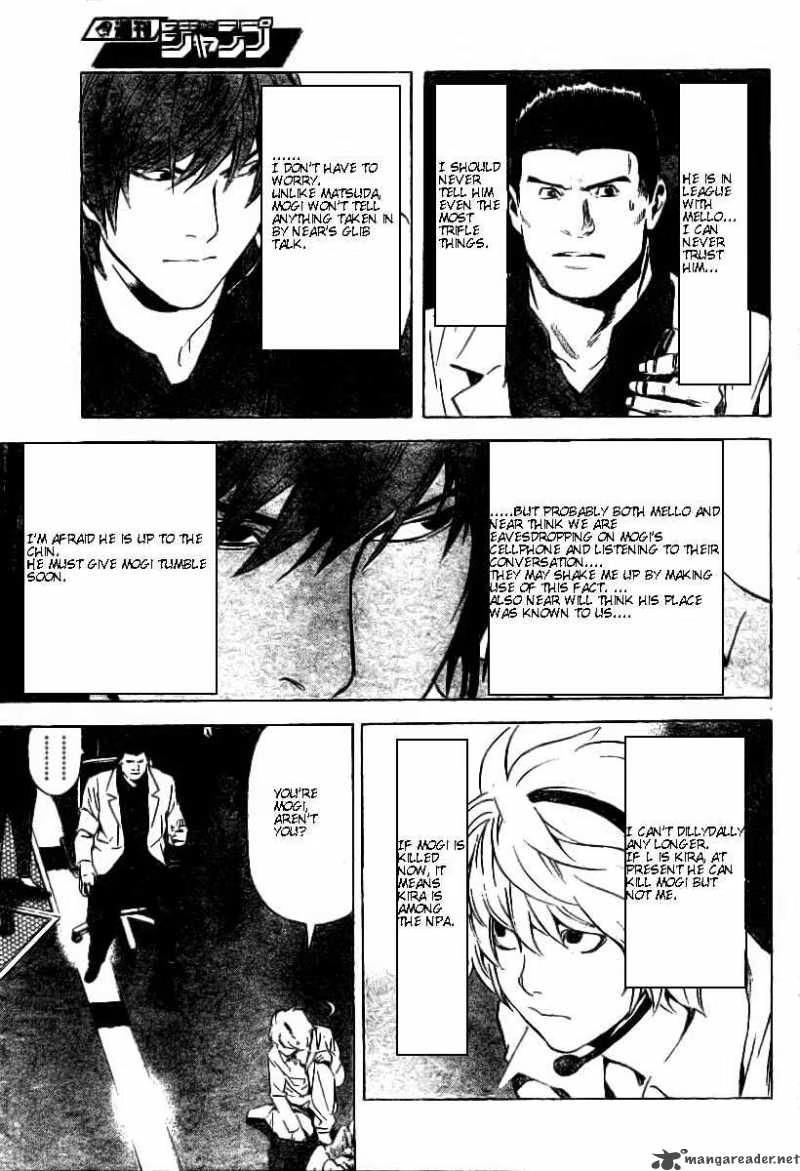
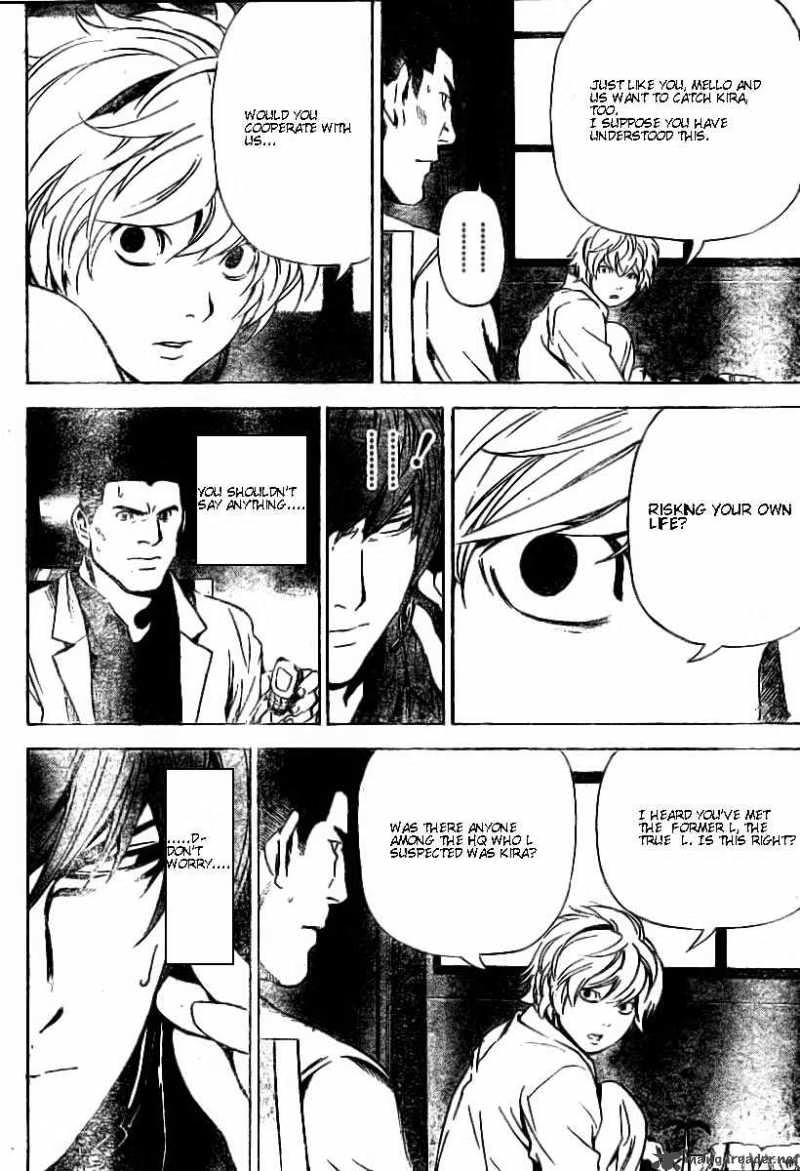
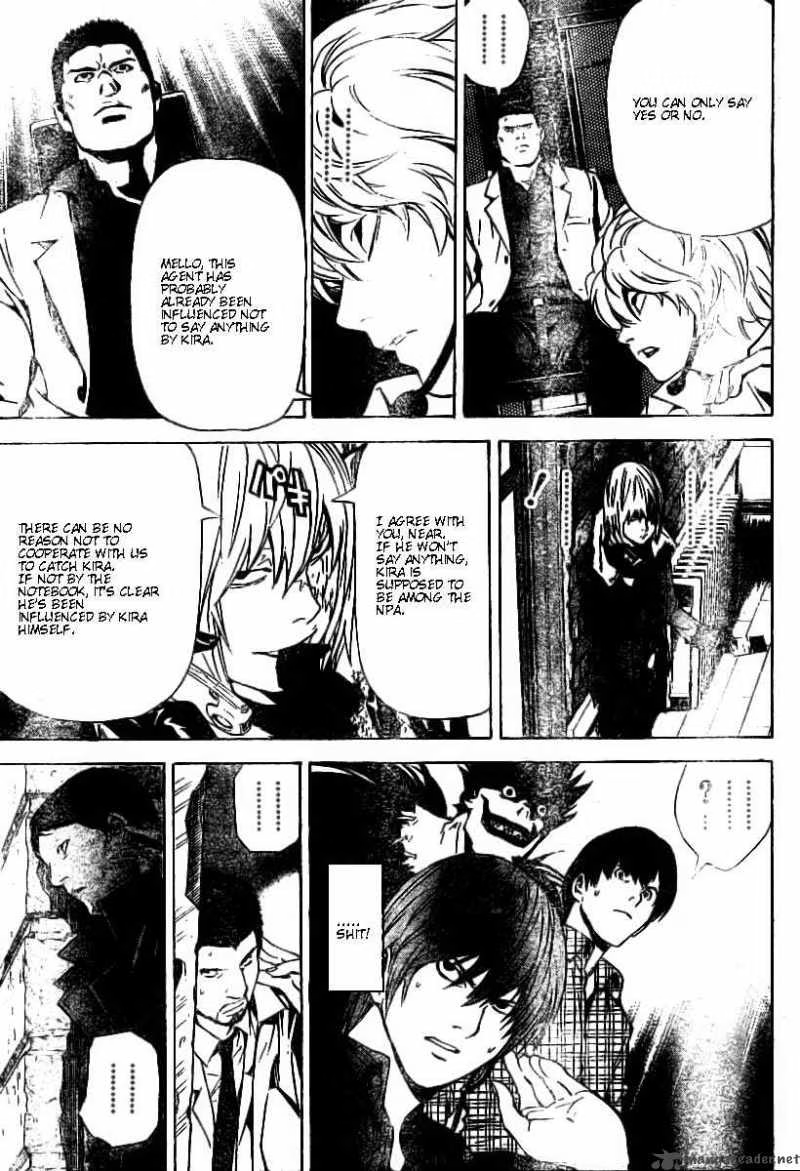
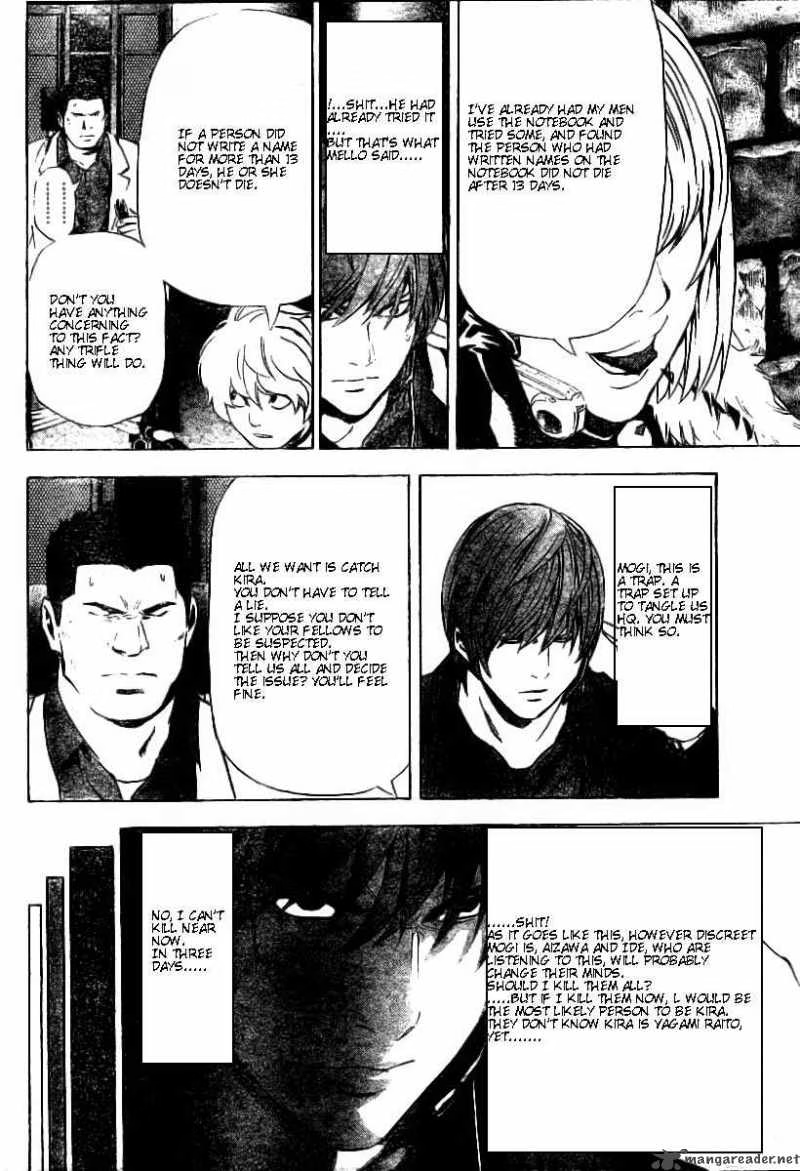
In the penumbra of Tokyo’s labyrinthine alleys, the ink‑stained pages of Death Note converge upon a crucible of dread where intellect and morality clash like twin blades. Chapter 79, “Feigned,” drags the reader deeper into the gothic noir tableau that defines the saga: the omnipotent specter of Kira, cloaked in divine self‑righteousness, versus the relentless, almost manic, pursuit of L’s protégés. The psychological stakes are no longer merely a game of cat‑and‑mouse; they have mutated into a perverse ballet where each move is a confession, each hesitation a confession of guilt, and every shadow a potential witness to the inevitable reckoning.
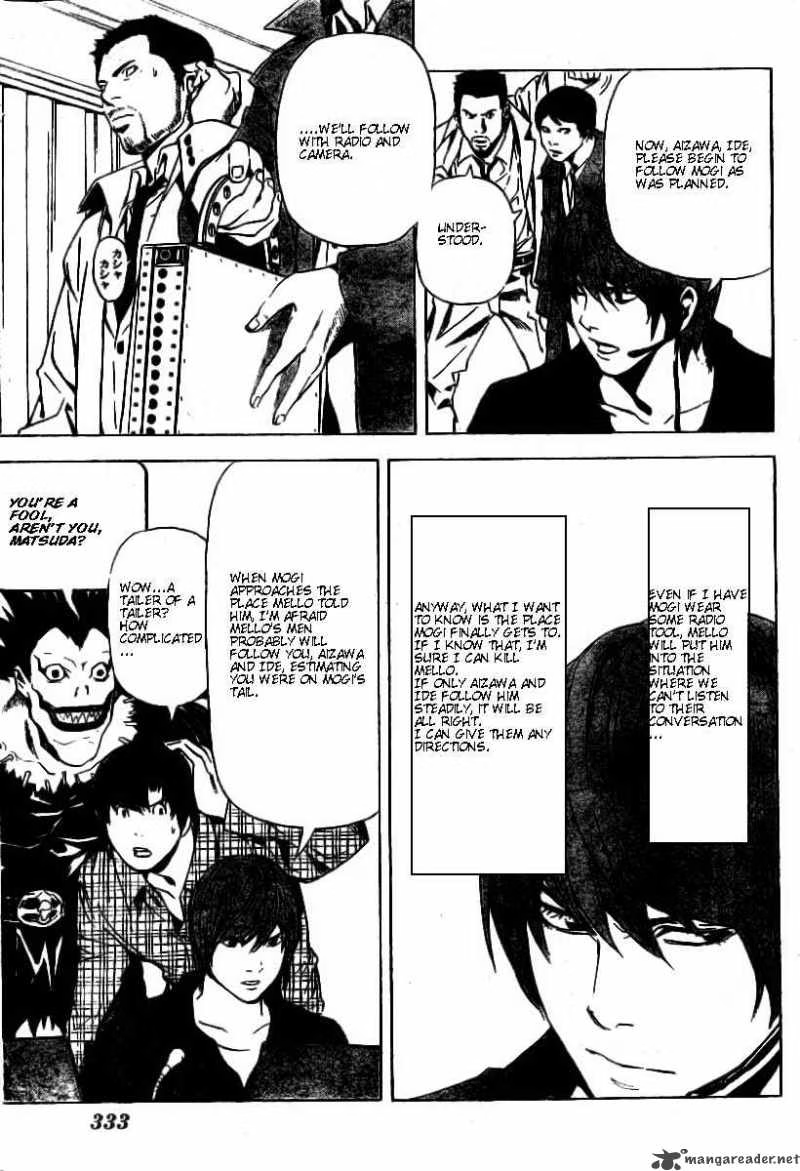
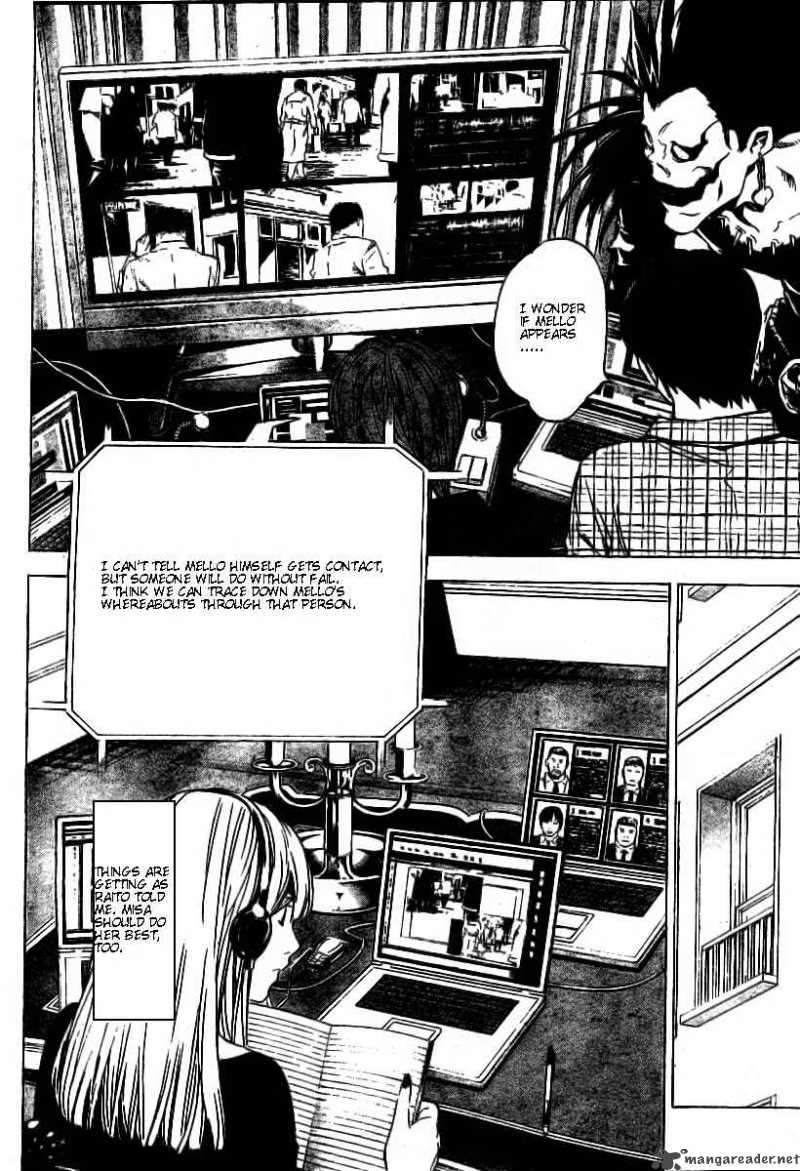
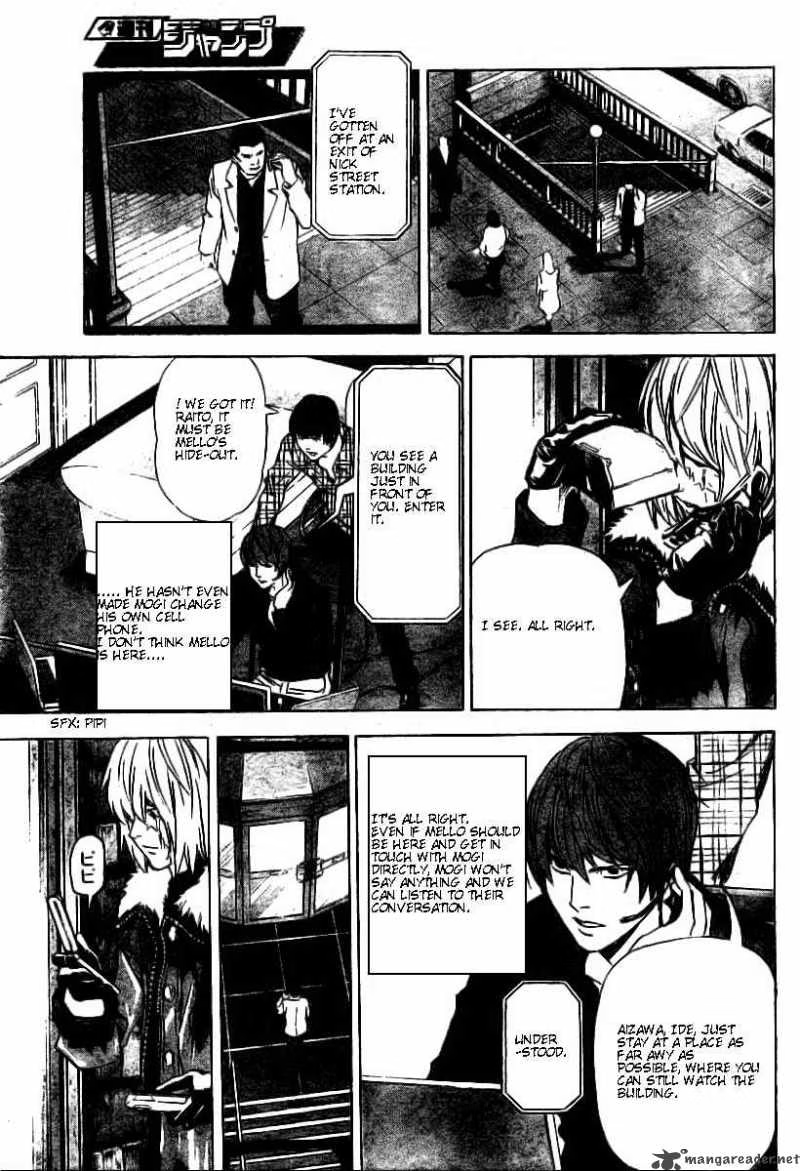
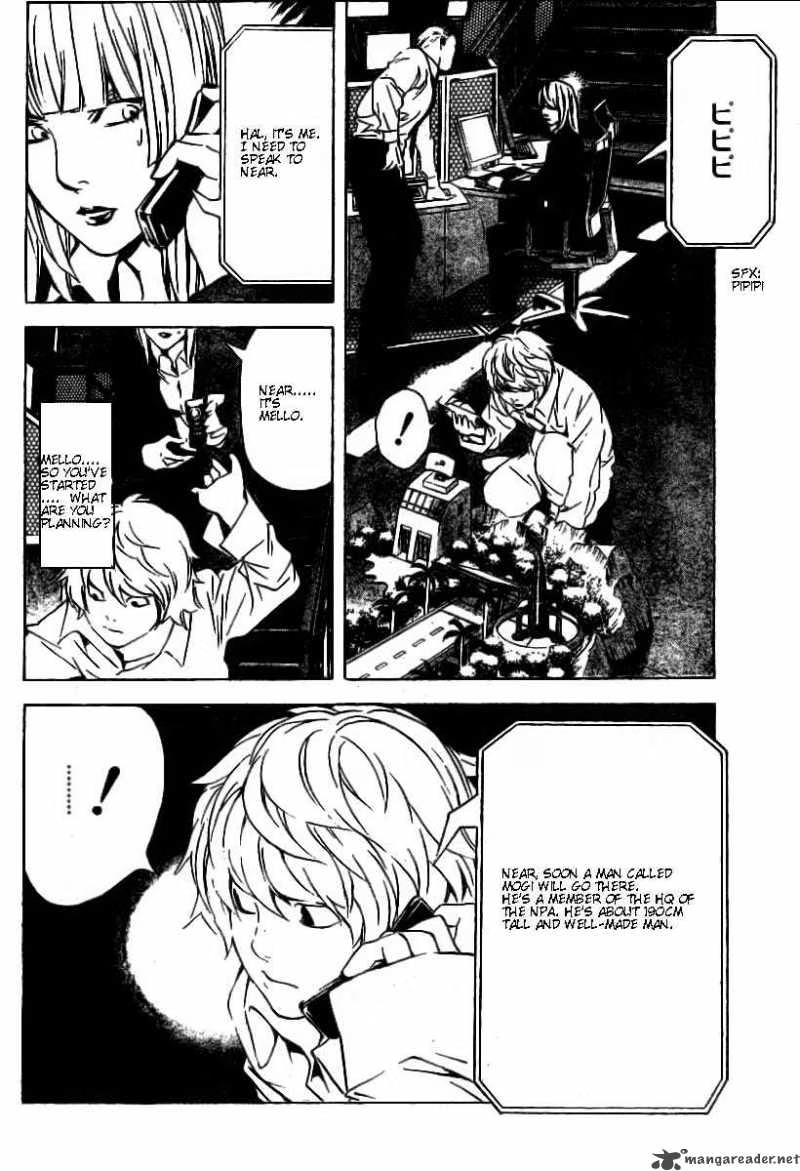
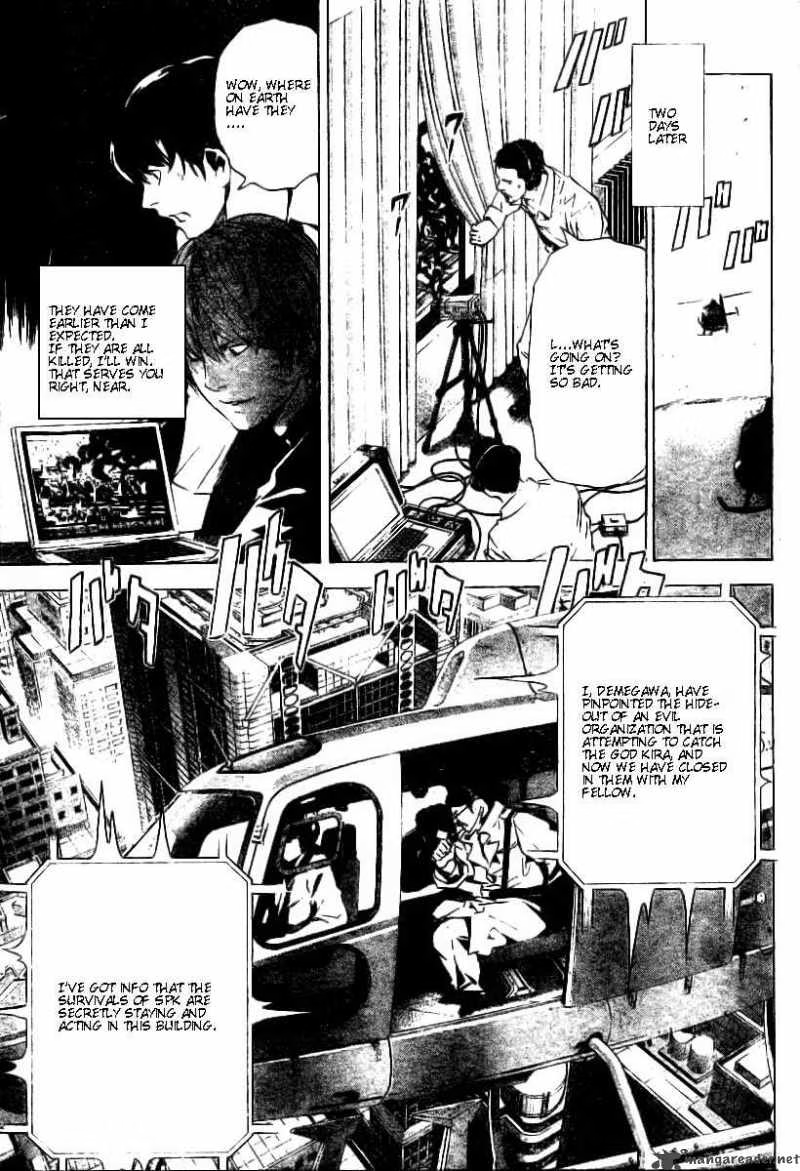
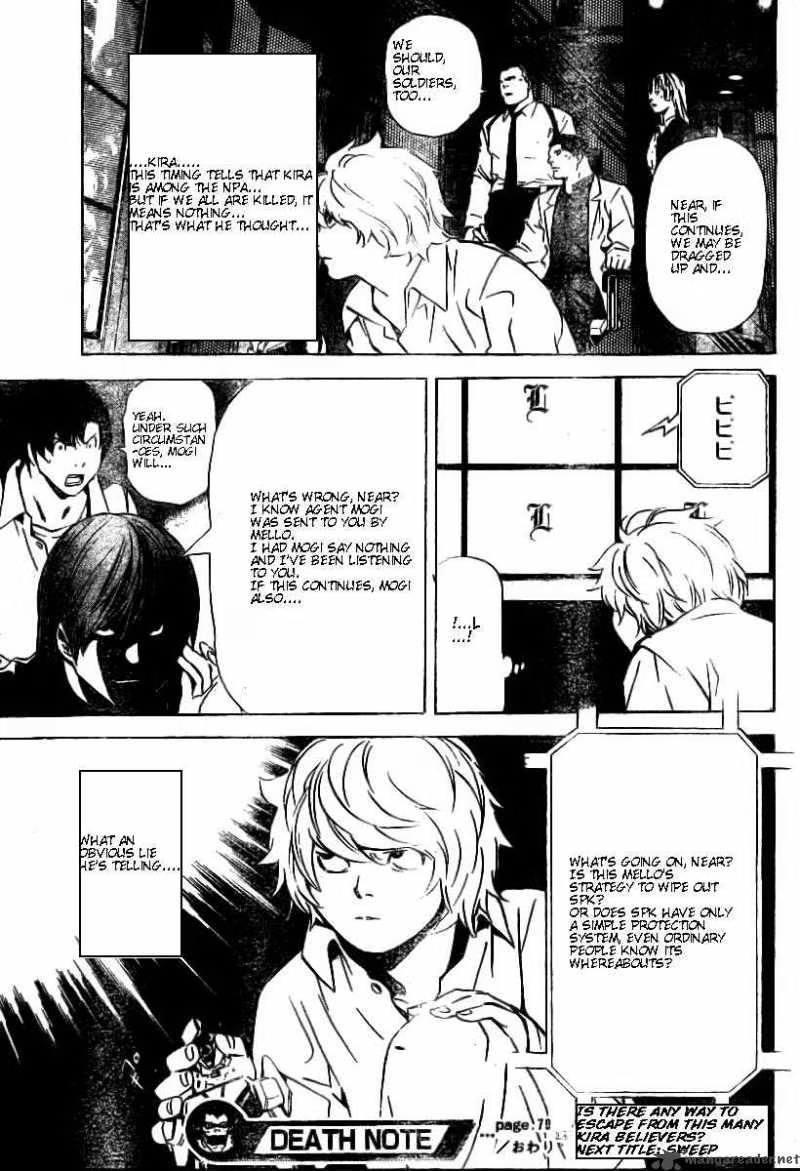
The chapter unfurls with a chiaroscuro of purpose: Light Yagami, the self‑styled arbiter of a new world order, adopts a veneer of normalcy—an artful feint that is as much a performance as a tactical deception. His calculated “unaware” demeanor mirrors the classic noir anti‑hero, a man who masquerades as an ordinary citizen while his mind churns with the calculus of murder. Opposite him, the investigative vanguard—namely Near and the remnants of L’s mind‑games—poses their own masquerade, weaving a tapestry of false leads and engineered coincidences. Their ideology, rooted in the belief that truth is a puzzle solvable through cold logic, collides with Light’s theological nihilism, where the end justifies the annihilation of any dissenting moral compass. The ensuing tension crackles like static, each panel a flickering candle in an abandoned cathedral, illuminating the emptiness that lies beneath both philosophies.
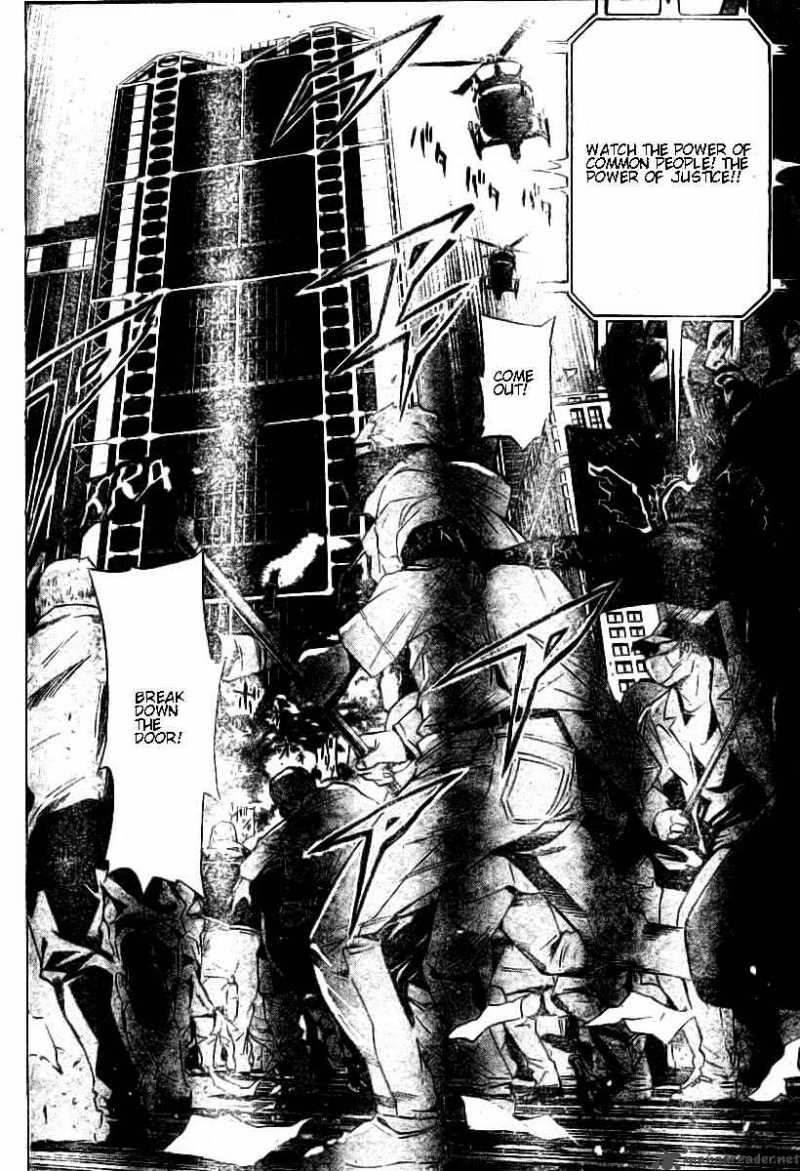
Atmospherically, the manga leans into the gothic noir aesthetic: rain‑soaked streets, dim streetlights casting elongated silhouettes, and the omnipresent hum of an unseen city that watches—yet refuses to intervene. The art style’s heavy cross‑hatching creates a visual maw, a vortex that pulls the reader into the claustrophobic mental prisons of both Light and Near. Dialogue becomes a weapon of subterfuge; a single, terse exchange can carry the weight of a confession, a promise of ruin, or a whispered reprieve. The narrative pacing—a series of lingering close‑ups followed by sudden, jarring cuts—mirrors the psychological turbulence within the protagonists, as each thought is both a revelation and a potential trap.
Investigative Takeaway: “Feigned” crystallizes the ultimate paradox of Death Note: the pursuit of absolute justice is itself a corrupting force, and the veneer of innocence is merely a strategic façade. In this chapter, the clash of ideologies transcends mere intellect; it becomes a study in how self‑constructed mythologies can fracture reality, leaving only the cold echo of a single, unanswerable question—who truly governs the darkness when both the hunter and the hunted are shrouded in the same abyss?