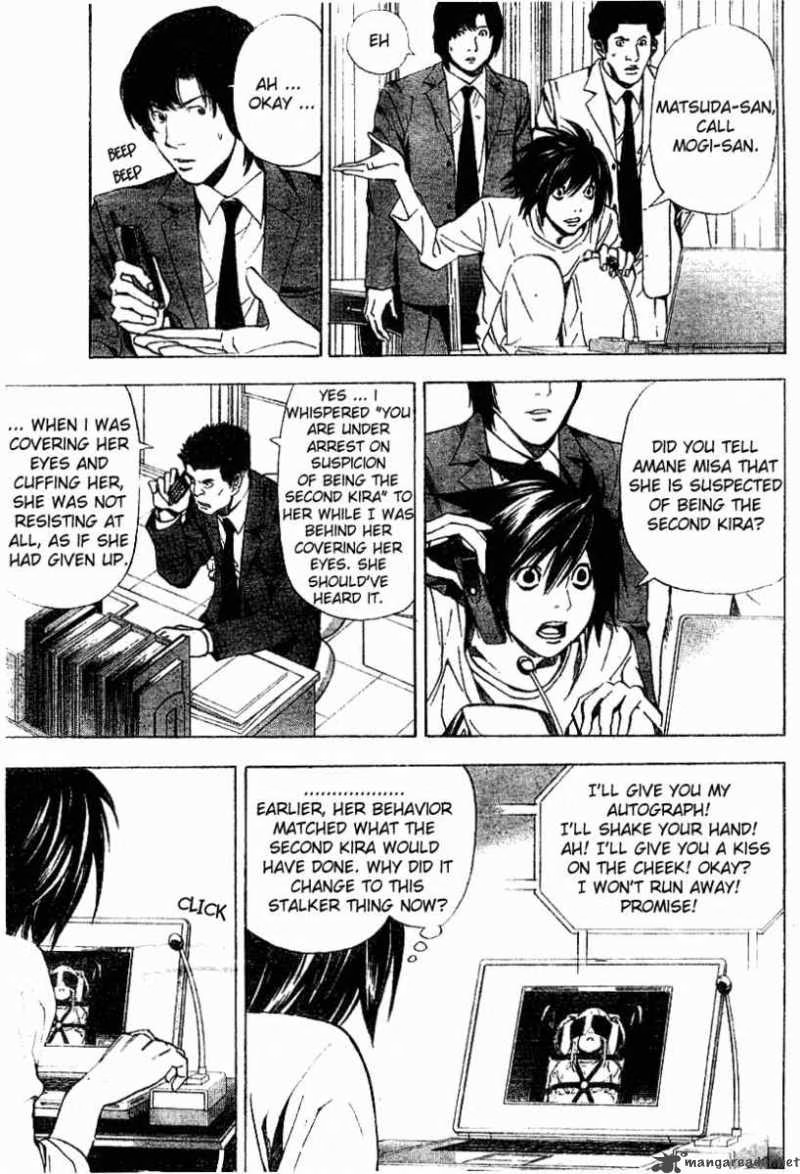
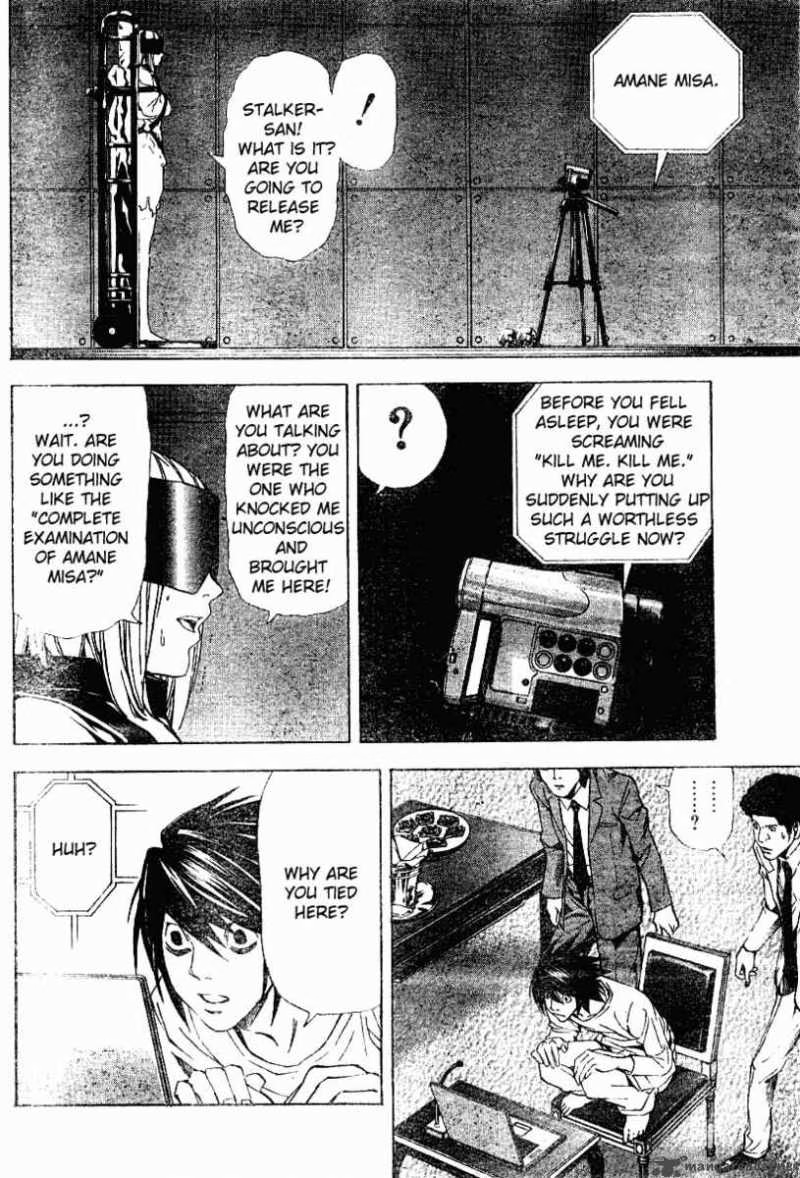
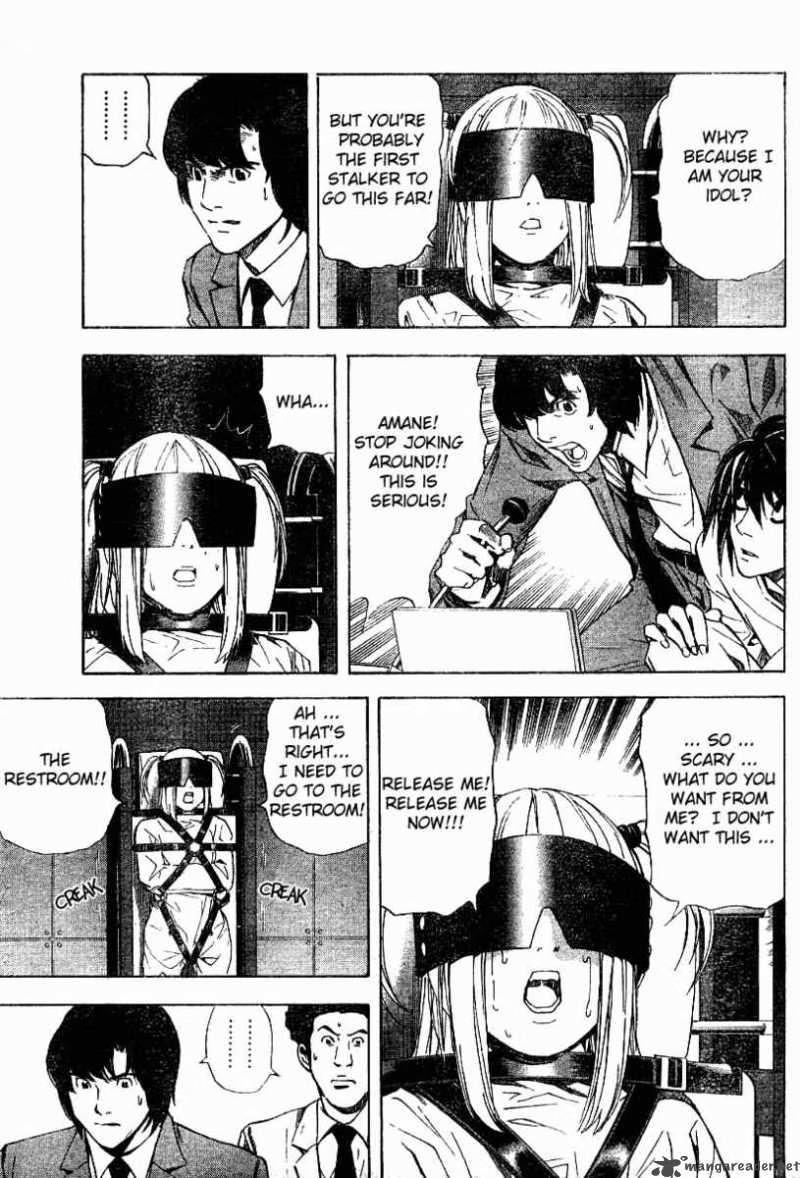
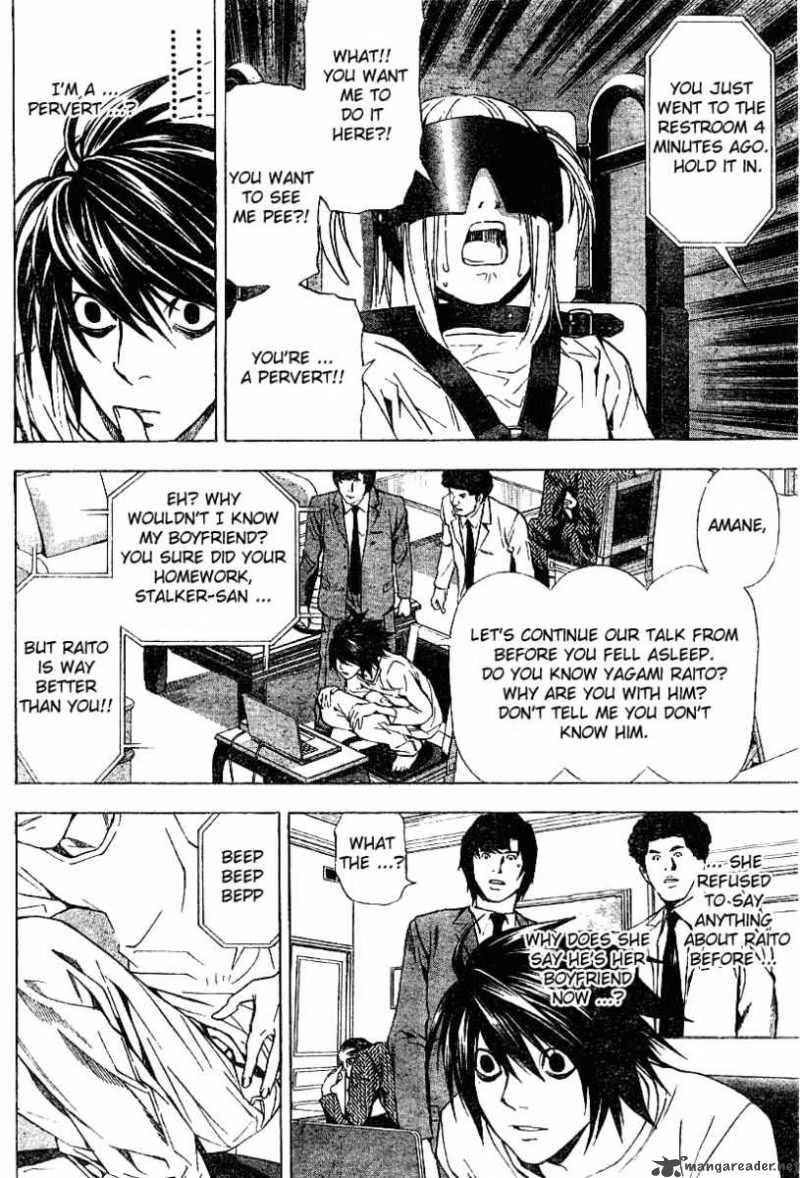
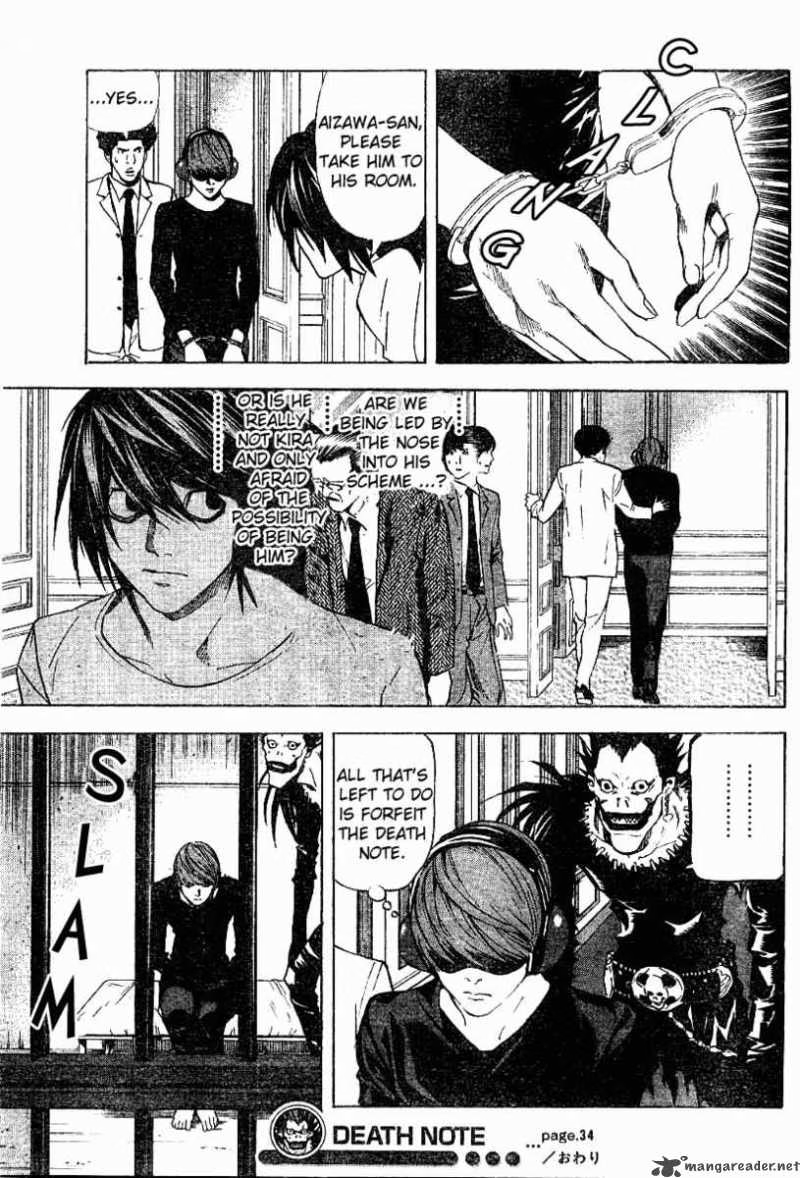

ANALYSIS: Chapter 34 Surrender
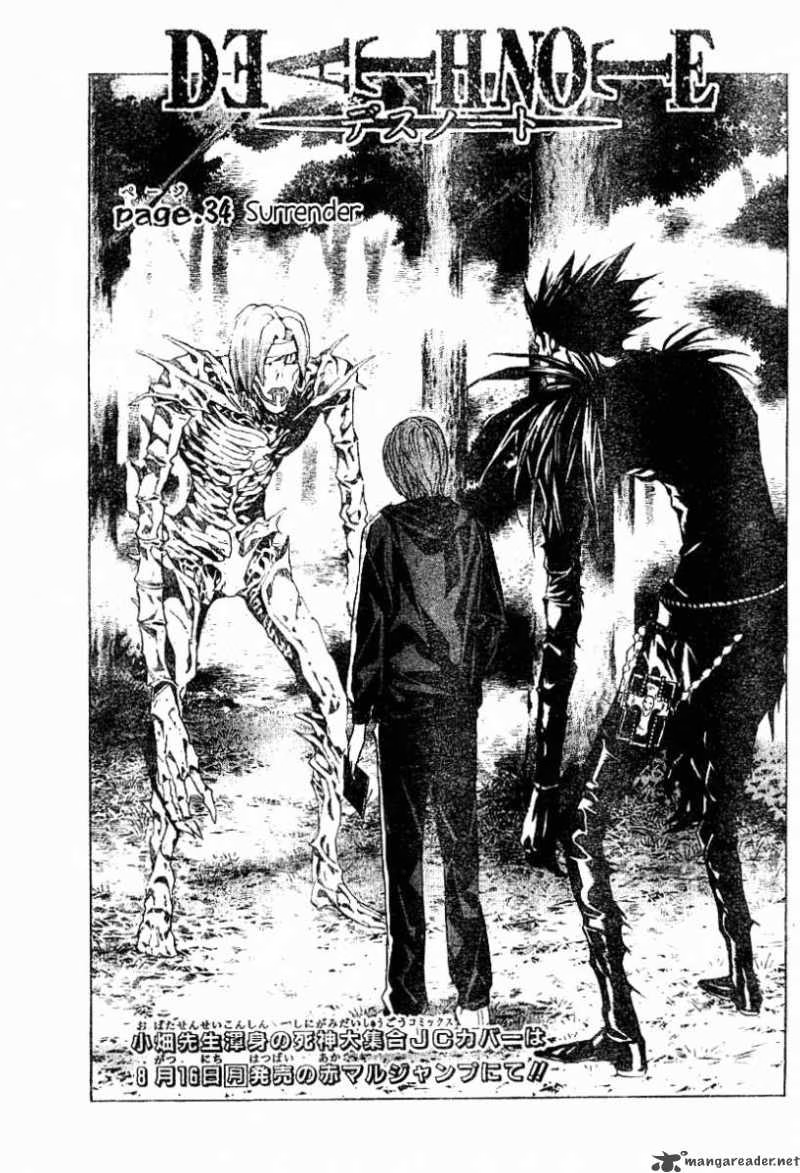
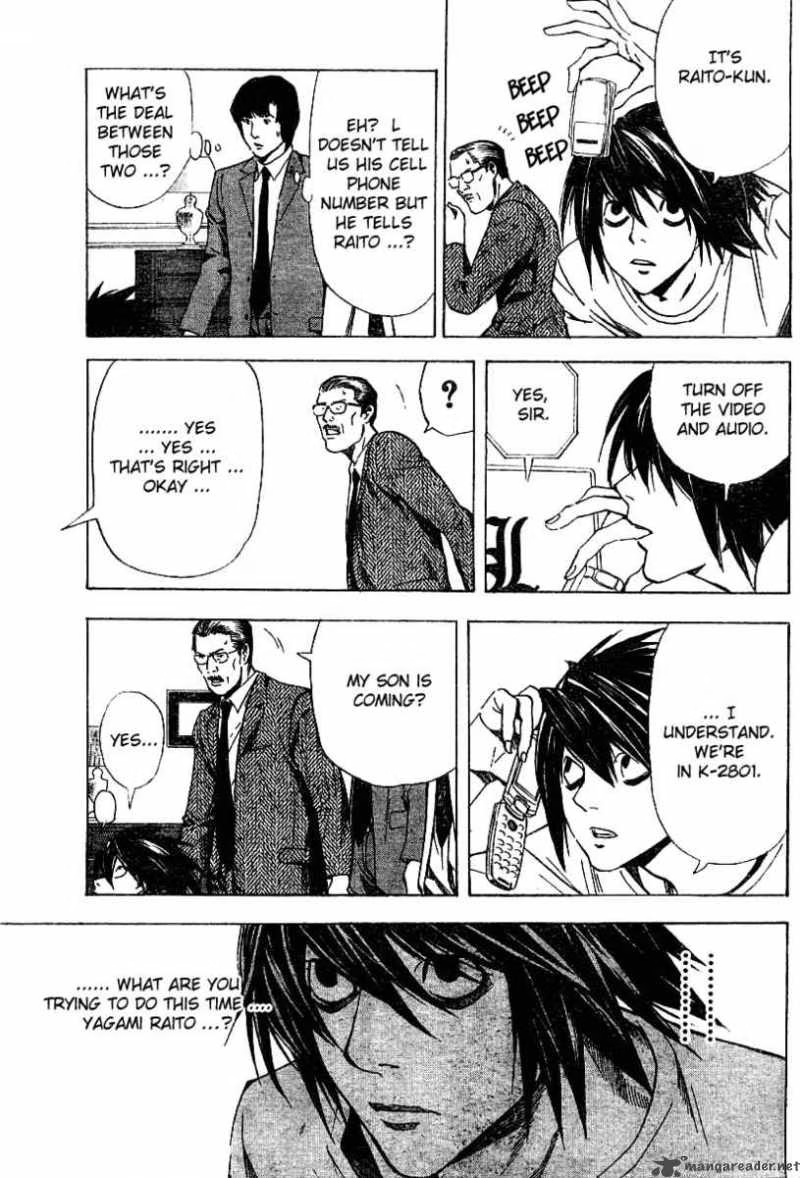
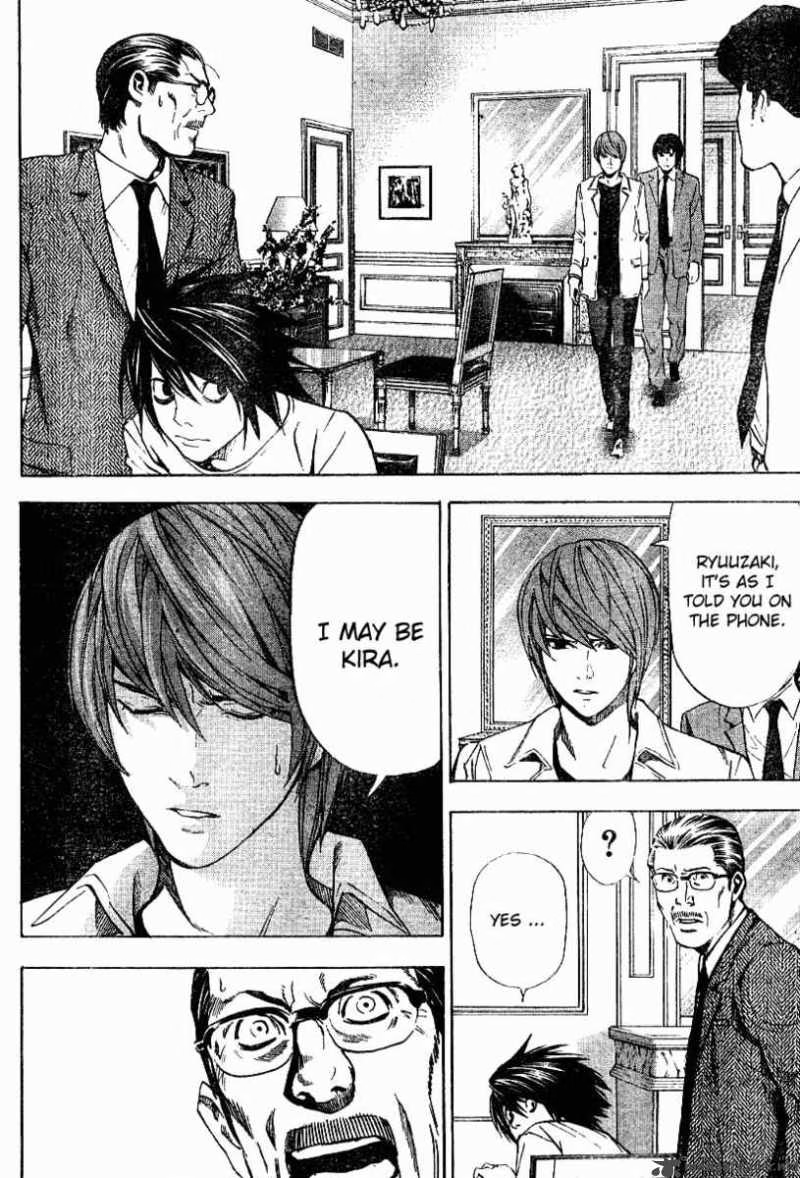
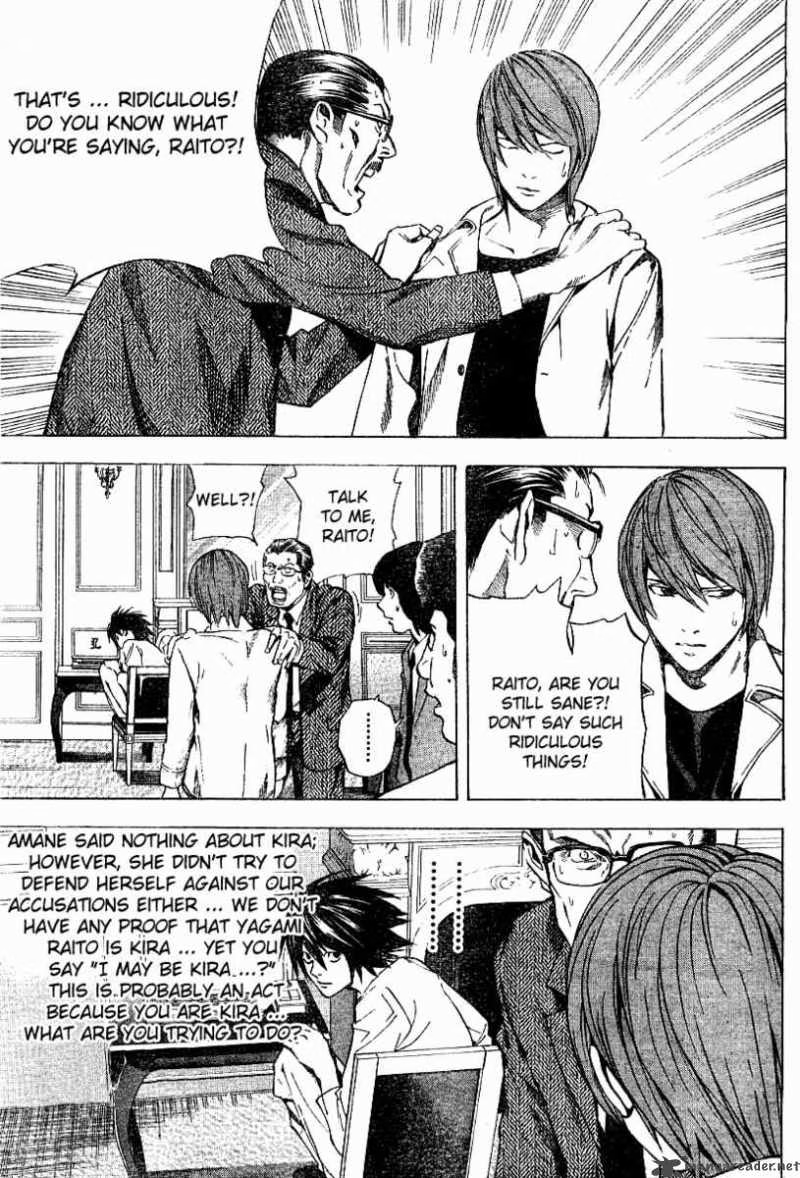
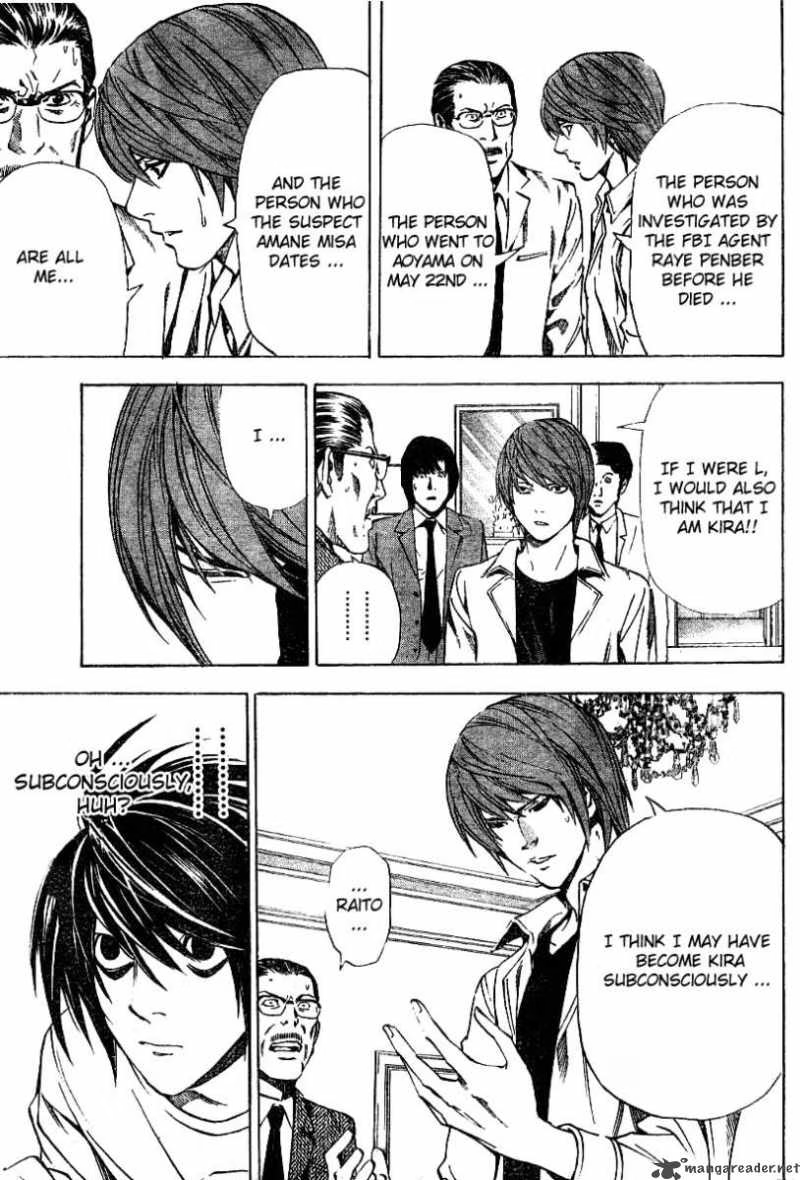
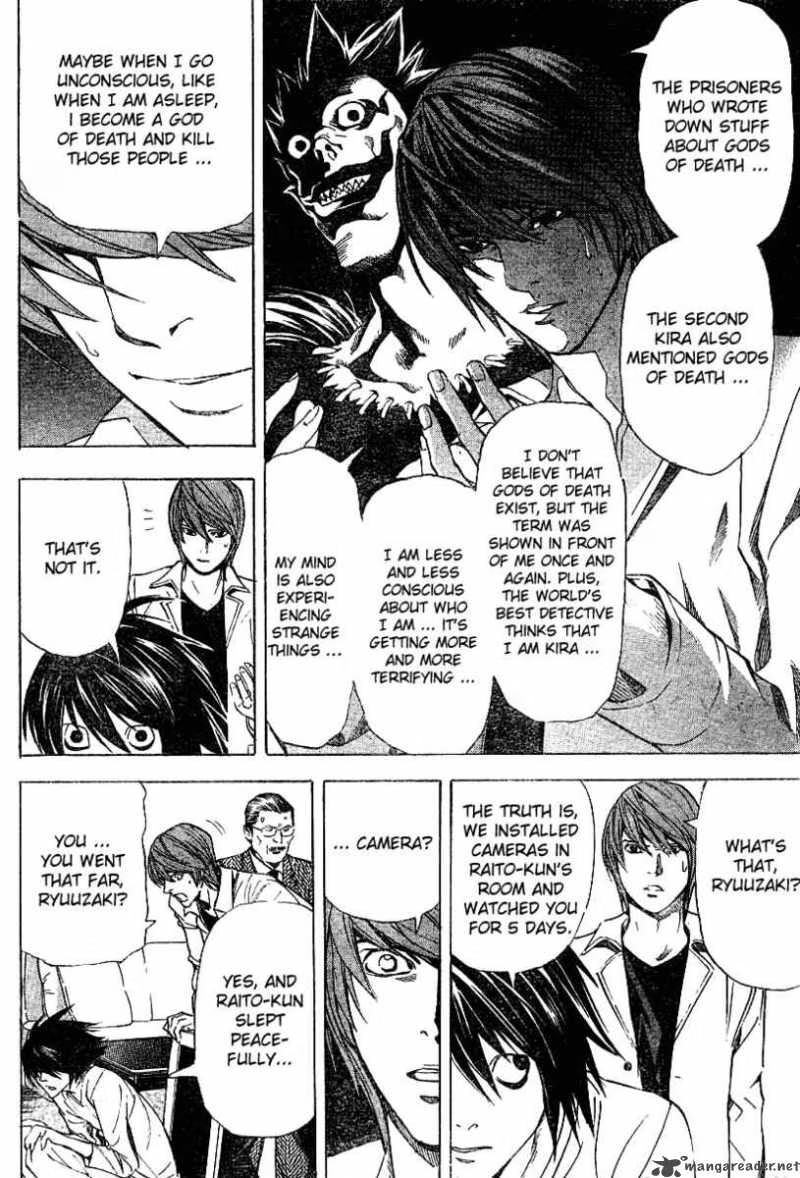
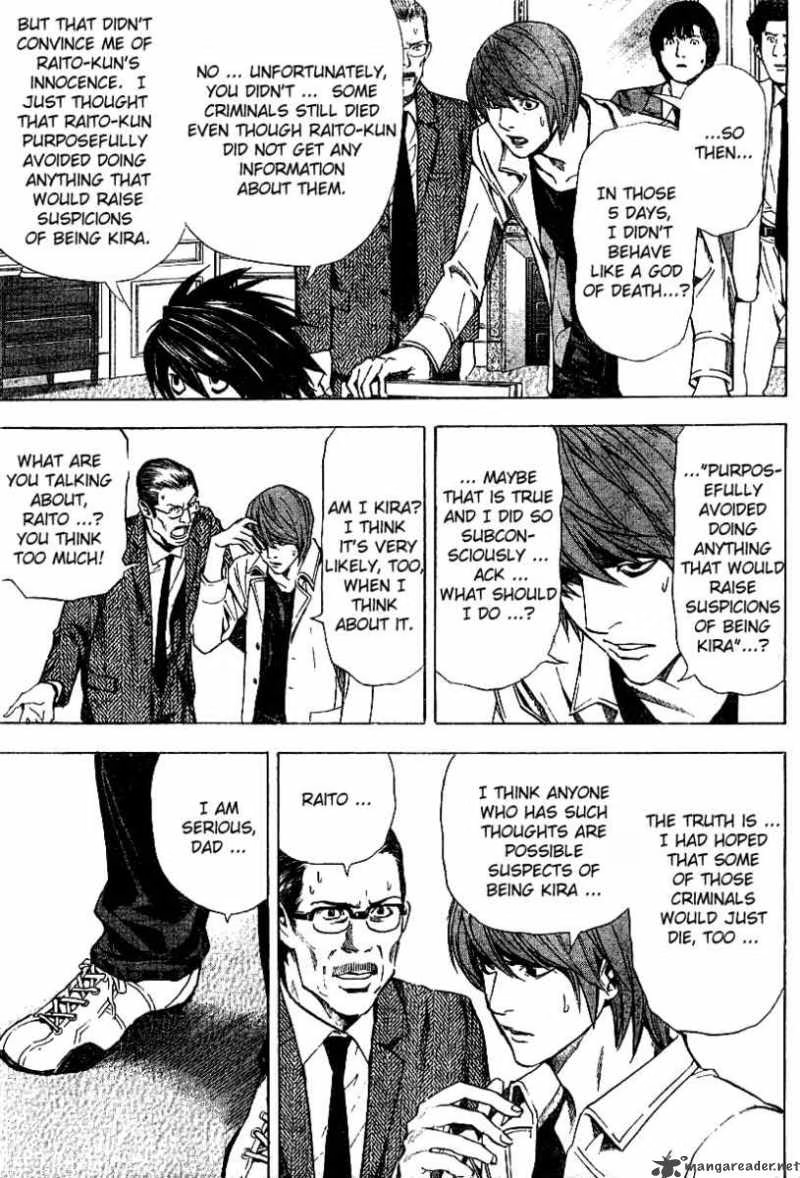
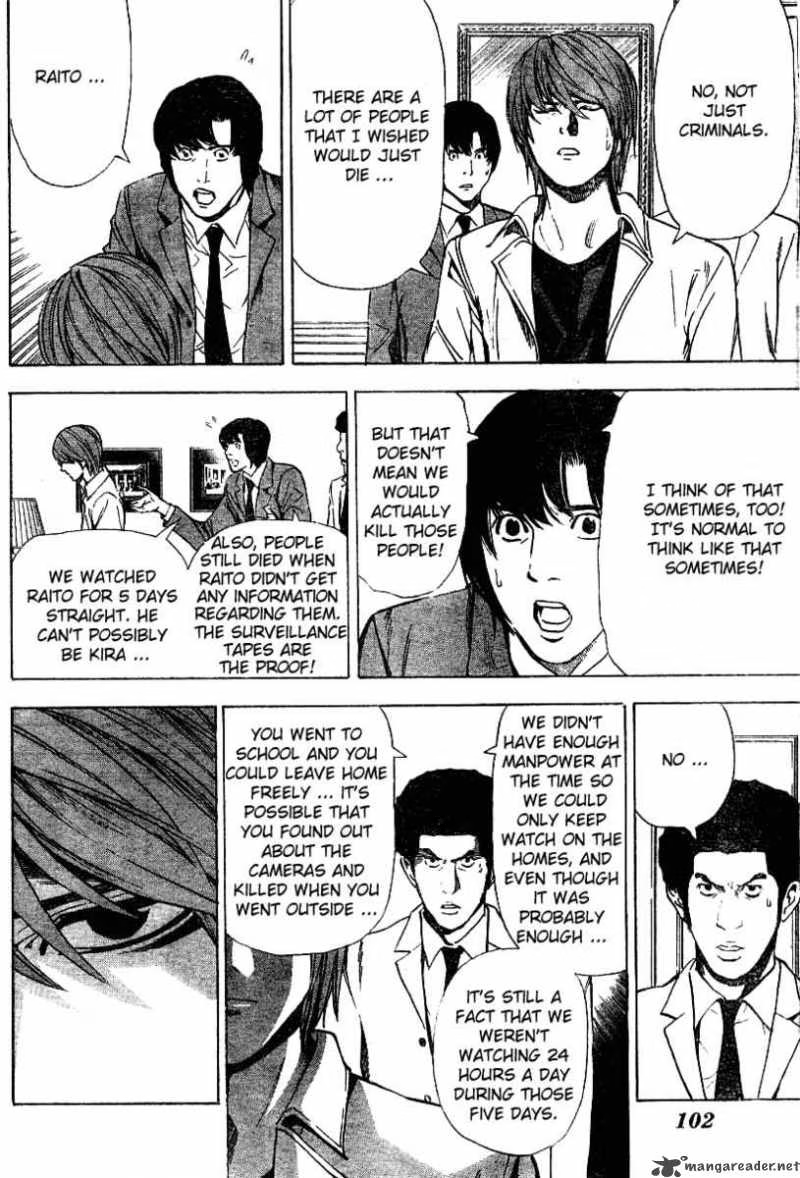
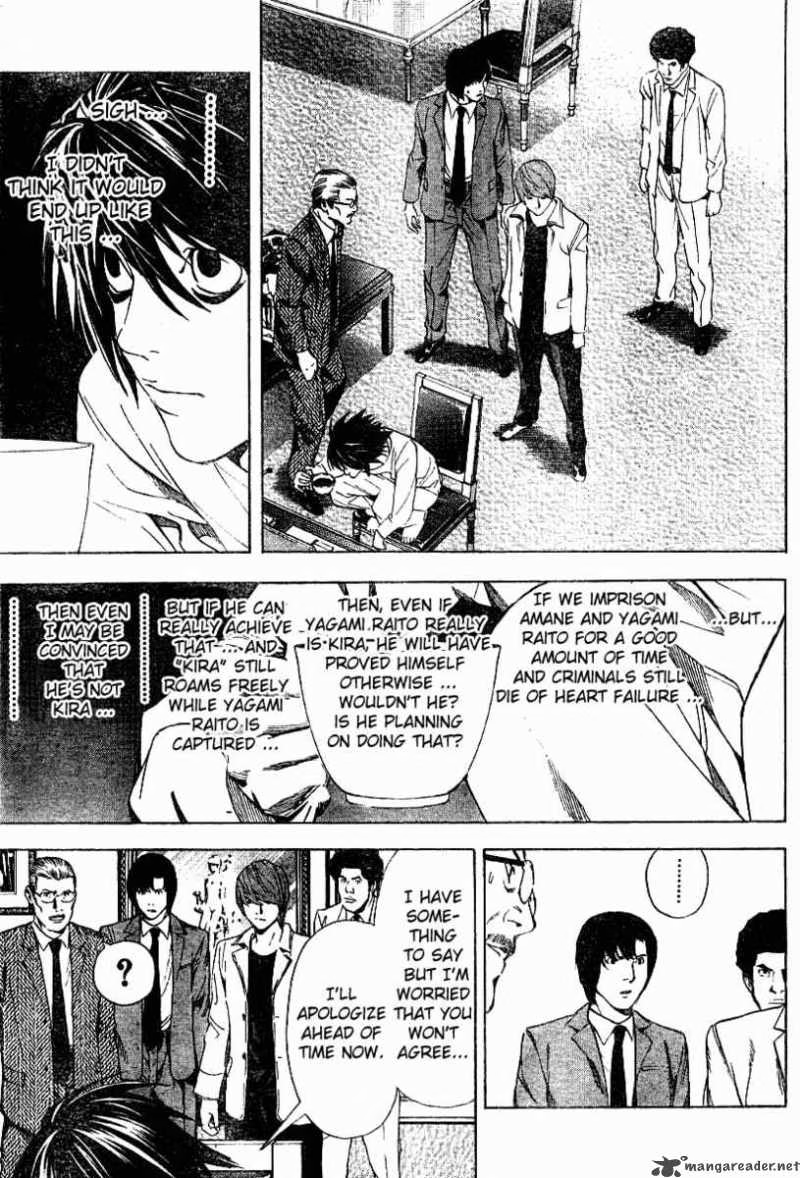
In the annals of Death Note, Chapter 34—titled “Surrender”—serves as a chiaroscuro tableau wherein the psychological stakes are amplified to a near‑fatal crescendo. The narrative unfurls like a nocturnal requiem, each panel drenched in the oppressive chiaroscuro of gothic noir, evoking the dread of an endless night where light is not salvation but a treacherous illusion. Here, the cataclysmic clash between Kira’s god‑complex and L’s relentless deductive rigor reaches a fevered apex, each intellect probing the other’s abyss with a cold, surgical precision that feels both inevitable and terrifying.
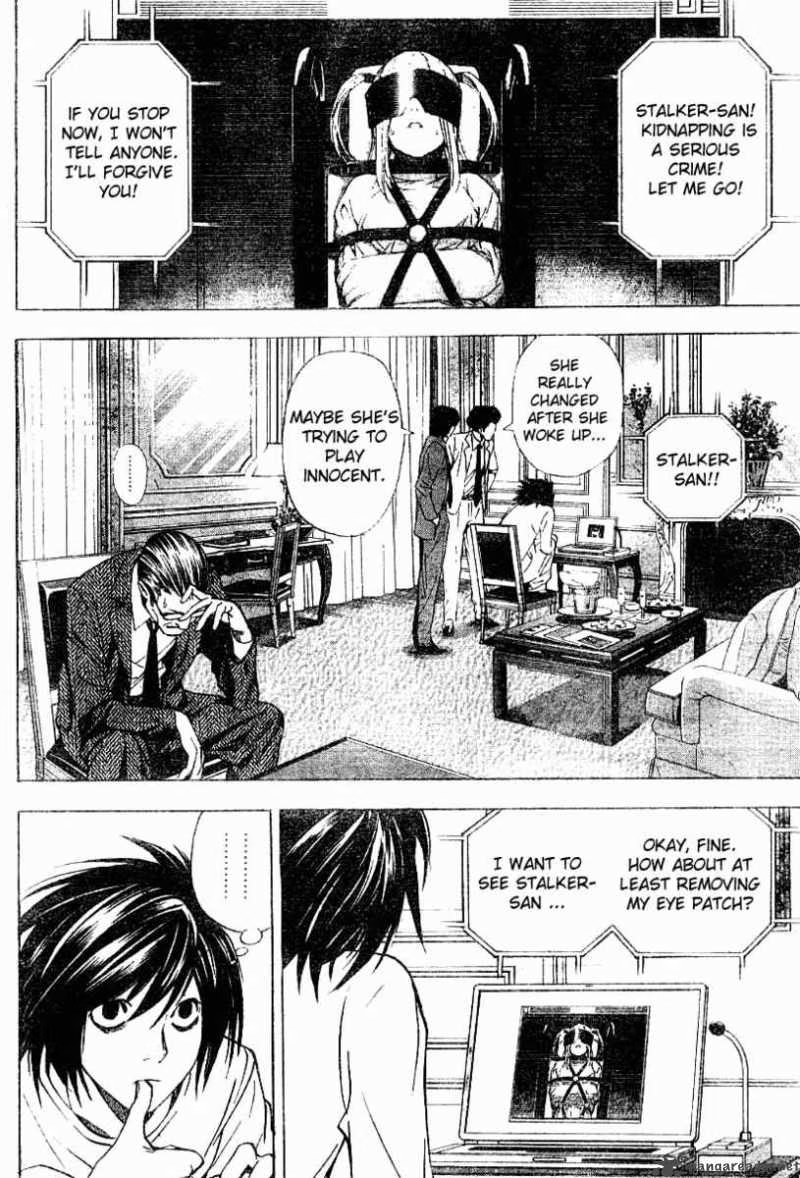
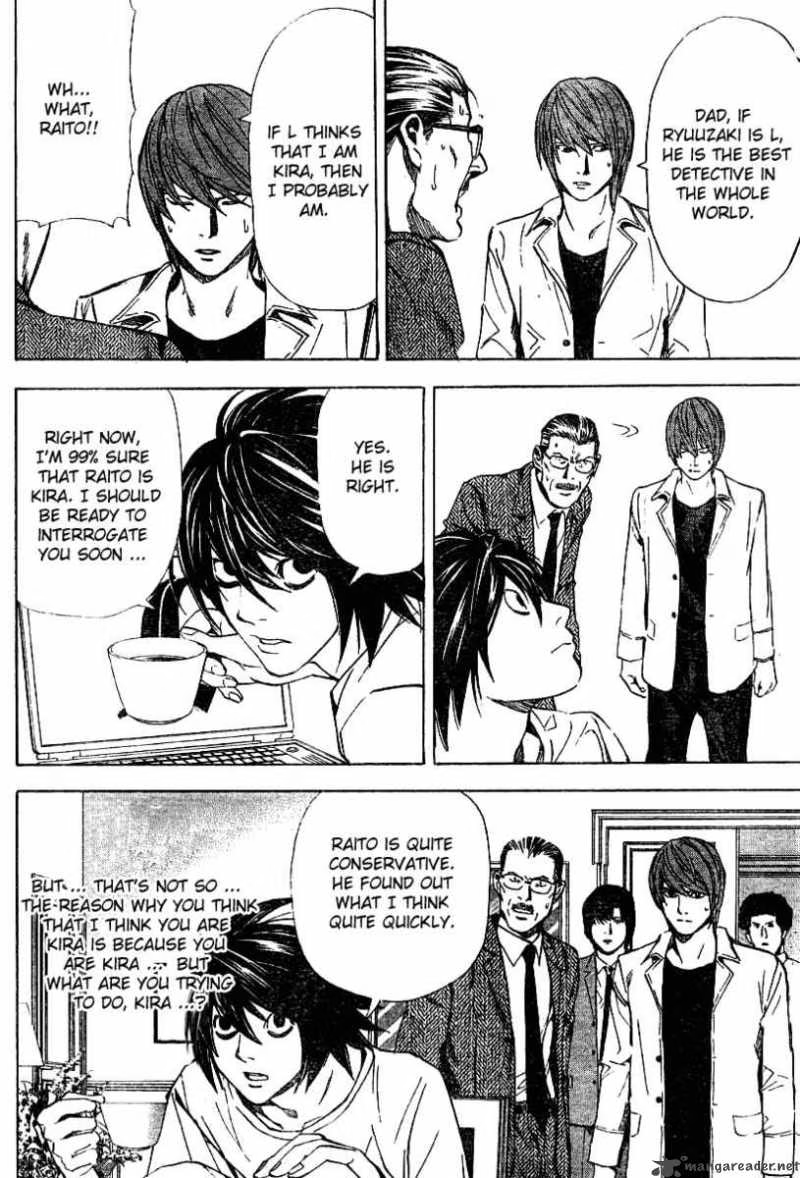
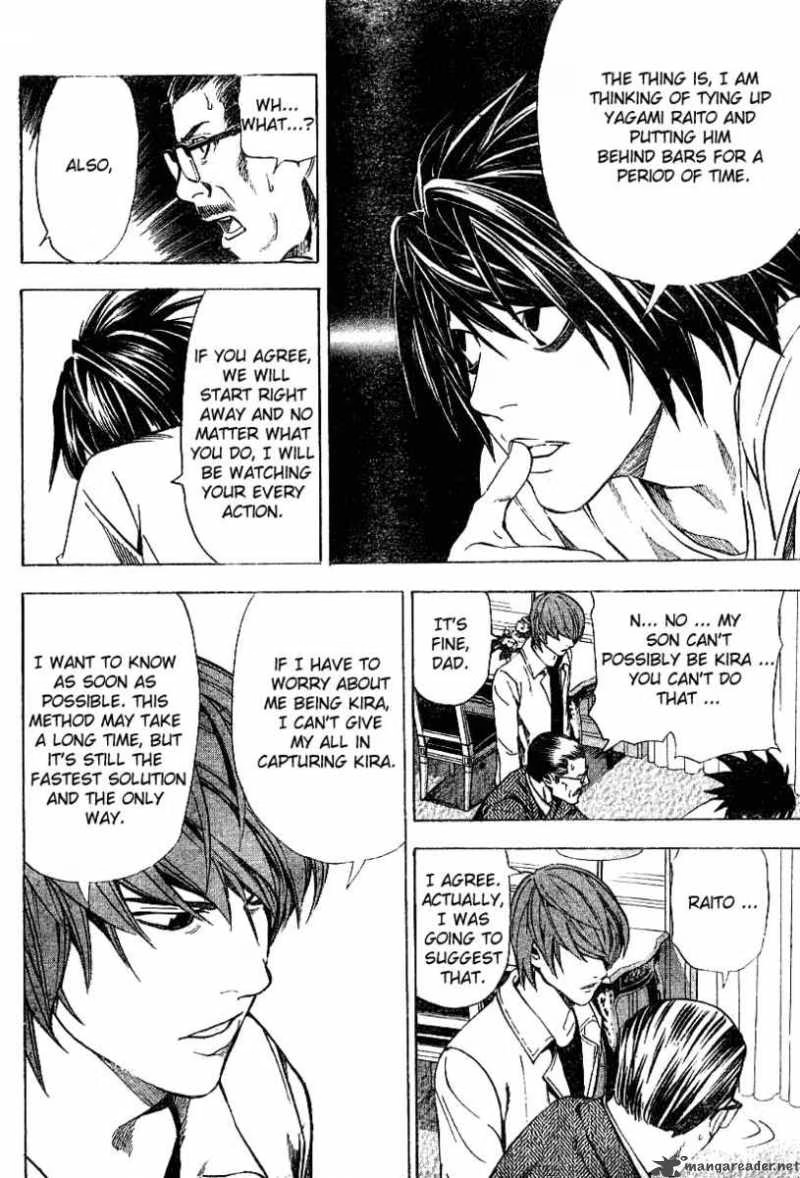
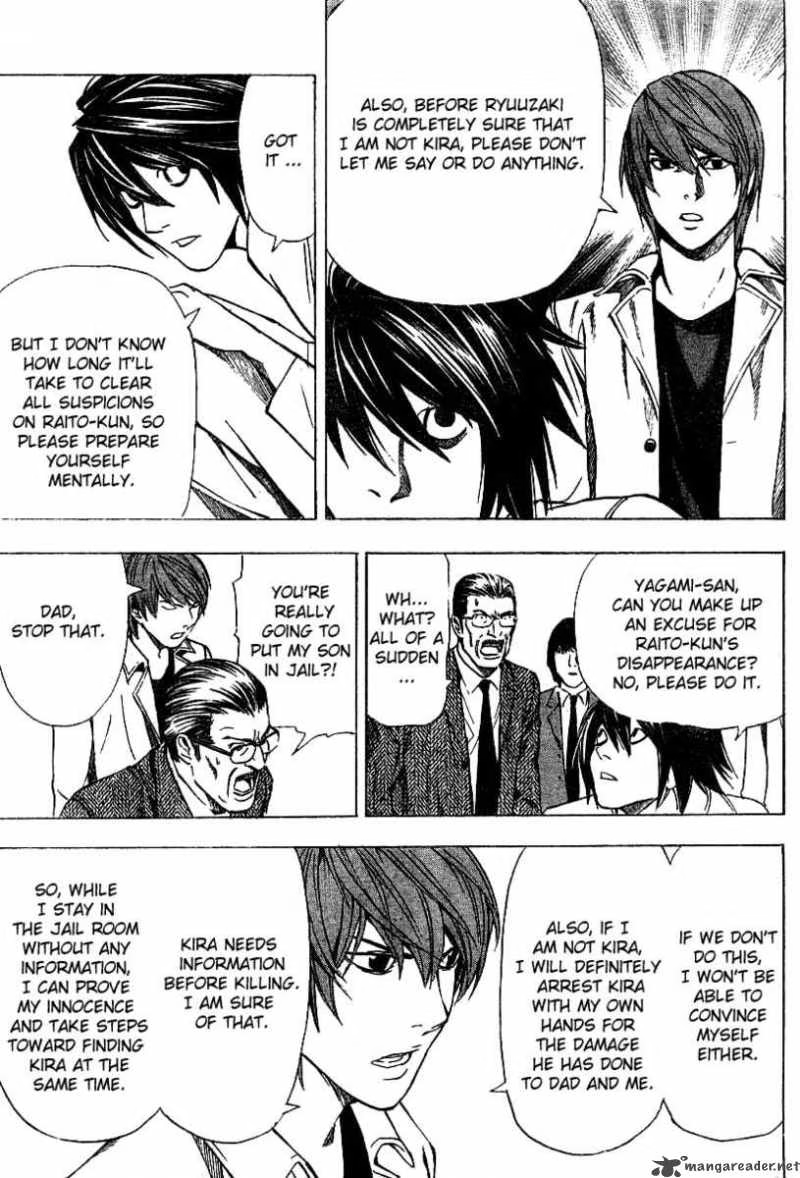
From the opening frames, the atmosphere is suffused with an oppressive fog—both literal and metaphorical—that obscures motives while simultaneously exposing the raw nerves of the protagonists. Kira, cloaked in the shadow of his own mythos, manipulates the narrative like a puppeteer of death, employing the Death Note as an instrument of divine retribution. His aloof composure, however, cracks under the weight of L’s relentless interrogations, revealing an undercurrent of existential paranoia. L, the ever‑watchful detective, embodies the noir archetype of the relentless sleuth, his inquisitive gaze piercing the darkness like a lantern through an endless catacomb. Their ideological duel—nihilistic authoritarianism versus empirical rationalism—transcends mere cat-and-mouse games; it becomes a philosophical duel over the very soul of justice.
The chapter’s mise‑en‑scene is punctuated by stark, angular architecture and rain‑slicked streets that echo the internal tempest of the characters. The use of heavy shadows and stark contrasts mirrors the binary opposition of their worldviews: Kira’s unyielding belief in absolute order through annihilation and L’s unwavering conviction that truth, no matter how uncomfortable, must be unearthed. The psychological tension is heightened by a series of close‑ups that capture the minute tremor of a fingertip on a pen, the flicker of doubt in a narrowed eye—each visual cue a silent testimony to the fragile brink upon which both men teeter.
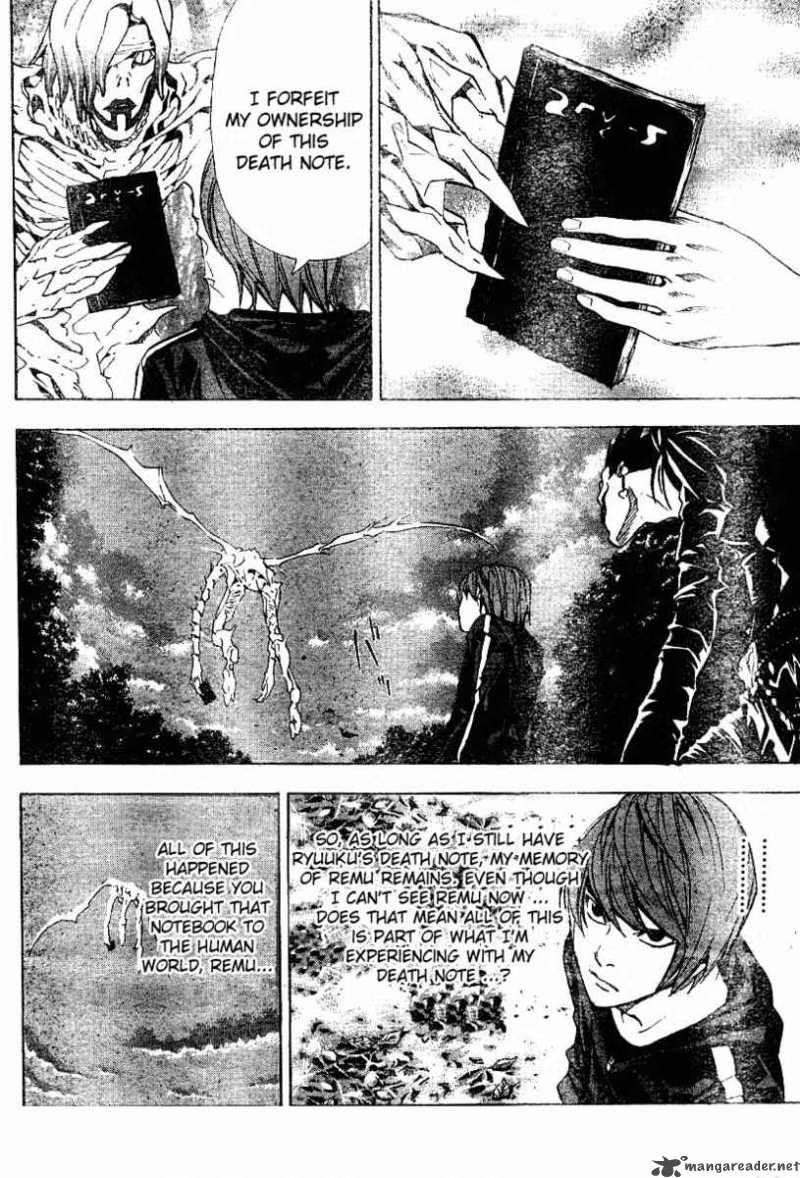
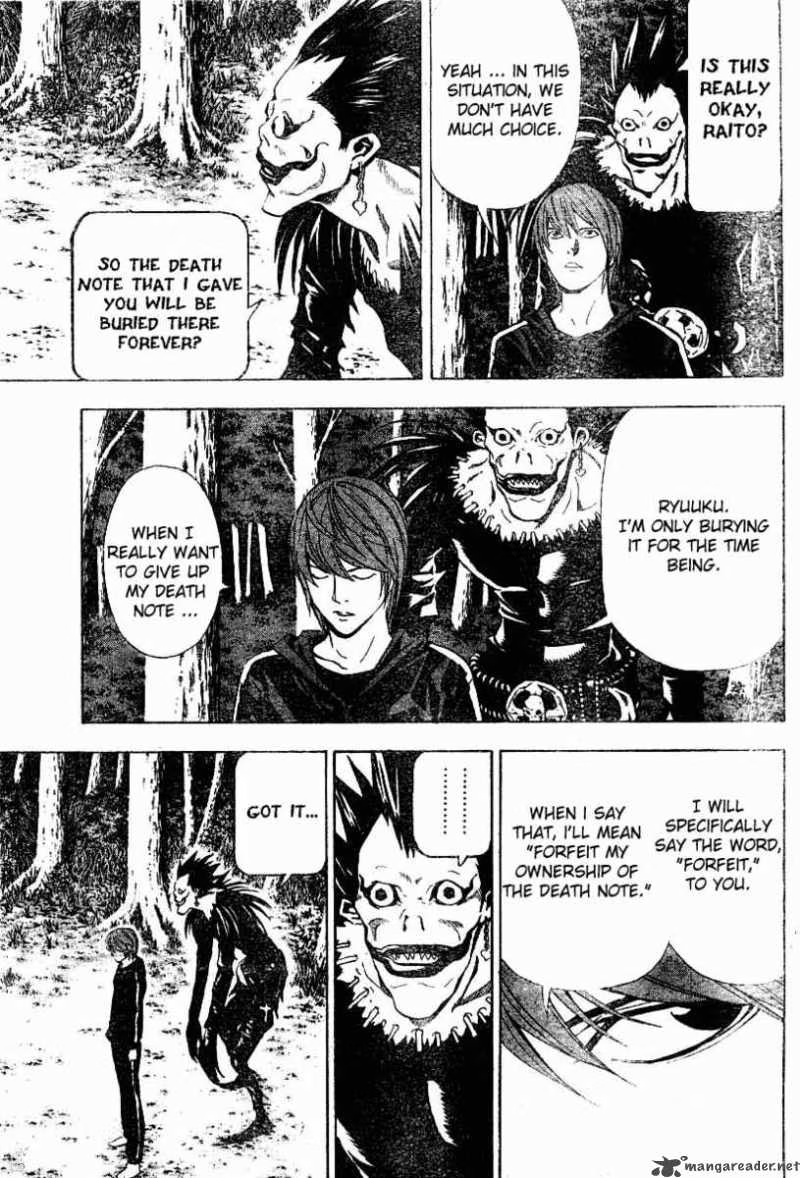
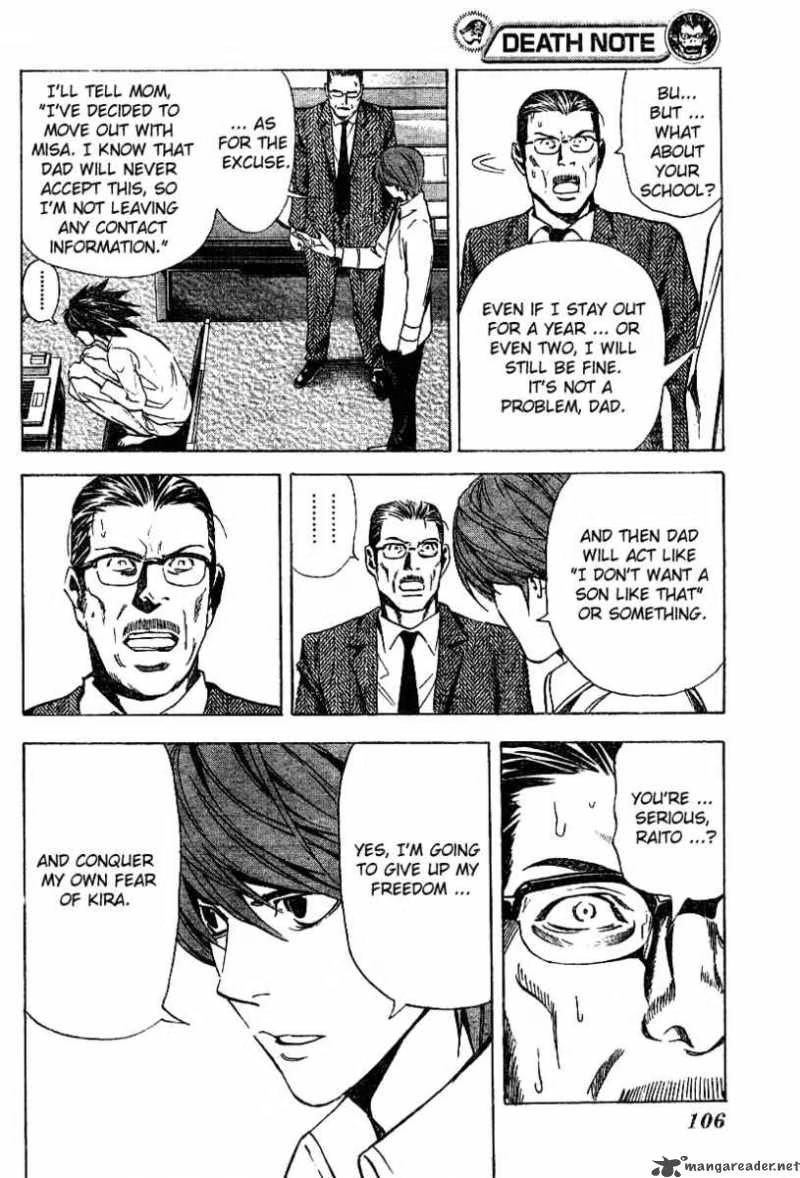
As the narrative progresses, the “surrender” is not merely a plot device but a thematic surrender to the inexorable pull of destiny. Kira’s momentary capitulation—when he relinquishes the notebook’s immediate power to draw L into a deeper stratagem—reveals a paradoxical strength: the willingness to appear vulnerable in order to consolidate dominance. L, ever the architect of subterfuge, reciprocates with a calculated veneer of concession, employing deception as a weapon more potent than any physical armament. Their interplay becomes a ballet of shadows, each step choreographed to destabilize the other's moral compass.
Investigative Takeaway: Chapter 34 distills the essence of gothic noir into a masterclass of psychological warfare, where the surrender is both a tactical maneuver and an existential confession. The clash of Kira’s absolutist theocracy against L’s empiricist vigilantism amplifies the thematic darkness, leaving the reader to contemplate whether surrender is a relinquishment of power or the ultimate assertion of it. In the rain‑washed corridors of justice, truth is the only casualty.