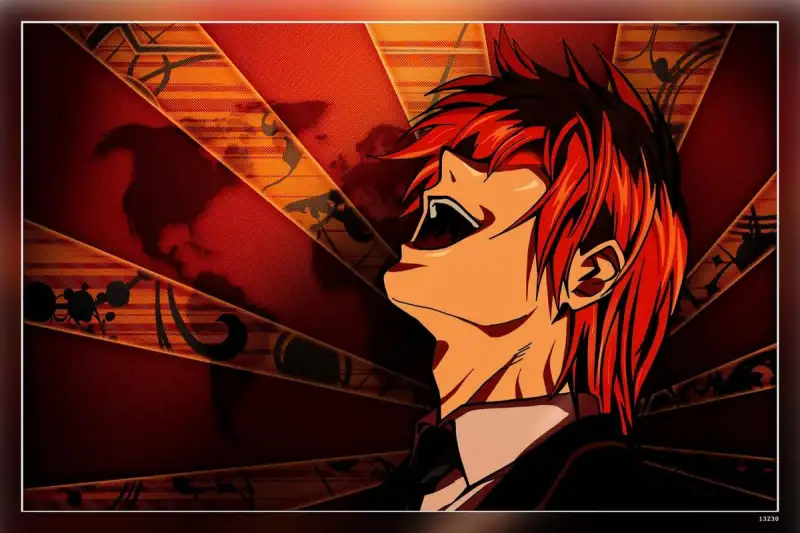
In the vast, interconnected cosmos of the internet, where information flows with the speed of light, few phenomena capture the ardent passion and intricate moral ambiguity quite like scanlation. For years, dedicated fans, driven by an unquenchable thirst for stories beyond their linguistic reach, have taken up the mantle of unofficial translators, editors, and typesetters, birthing entire digital libraries of manga, manhwa, and webtoons. This isn't just about reading; it's about access, community, and the shared joy of discovering narratives that might otherwise remain locked behind cultural and commercial barriers. But beneath this seemingly altruistic surface lies a complex ethical labyrinth, a landscape fraught with legal grey areas and moral quandaries that demand a closer look. For a community that often grapples with themes of justice, consequence, and the nature of right and wrong – much like the audience of Death Note and its enigmatic protagonist, Yagami Light – the scanlation debate presents a deeply personal and often uncomfortable dilemma. We celebrate the speed and availability, but at what cost? Who truly benefits, and who pays the price?
The Genesis of Scanlation – Bridging the Gap
To understand the present, we must first journey back to the nascent days of the internet, a time before official digital storefronts and simulpubs were even a glimmer in a publisher's eye. The late 1990s and early 2000s were a barren wasteland for international manga fans outside of a few select titles licensed for physical release in English-speaking territories. The vast majority of Japanese manga, and later Korean manhwa, simply never saw the light of day beyond their home countries. This void was the fertile ground from which scanlation sprung. It began as a labor of love: a fan with a scanner, a Japanese dictionary, and a rudimentary grasp of Photoshop would painstakingly translate and edit pages, sharing them on forums and nascent file-sharing sites. These early scanlators were pioneers, driven purely by a desire to share their passion and to enable fellow enthusiasts to experience stories like Berserk, One Piece, or Naruto without having to wait years for official releases – if they ever came at all. This movement democratized access, fostering a global community and introducing countless individuals to the rich tapestry of Asian sequential art. It was, in many ways, an act of cultural exchange, a testament to the power of shared fandom to overcome geographical and linguistic hurdles.
The Double-Edged Sword – Blessings and Banes
Scanlation, much like any powerful tool, wields a double-edged blade. On one side, its benefits for the global manga/manhwa community are undeniable. It provides instant accessibility, allowing fans worldwide to keep up with ongoing series often within hours or days of their original release. This fosters a vibrant, international dialogue around popular titles, creating a shared cultural phenomenon that transcends borders. It has also acted as an invaluable discovery engine, exposing niche genres and lesser-known works to a massive audience, often leading to official licensing deals when publishers recognize untapped demand. Furthermore, for many in countries where official translations are simply unavailable or prohibitively expensive, scanlation remains the only gateway to this art form. It allows communities to form around shared interests that would otherwise be geographically isolated, creating a sense of belonging for enthusiasts across continents.
However, the reverse side of this blade cuts deep. At its core, scanlation is a form of copyright infringement. Publishers invest heavily in licensing fees, translation teams, editing, typesetting, and distribution networks. Scanlation directly undermines this legitimate business model, siphoning potential revenue away from creators and the companies that support them. This loss isn't abstract; it impacts the livelihoods of artists, writers, and all the professionals involved in bringing these stories to life. Beyond the financial impact, quality control can be a significant issue. While many fan groups strive for accuracy and professionalism, others cut corners, leading to poor translations, sloppy editing, and a diminished reading experience that disrespects the original work. Moreover, the legal risks to scanlators themselves are considerable, ranging from cease-and-desist letters to full-blown lawsuits, though these are more often directed at larger, profit-driven aggregators than individual fan groups, whose motivations are often purer but actions still problematic.
The Creator's Perspective – Labor of Love or Stolen Labor?
Imagine dedicating years of your life to crafting a compelling narrative, pouring your soul into intricate artwork and complex characters, only to see it distributed globally for free, without your permission or compensation. This is the harsh reality many manga and manhwa creators face due to scanlation. While some authors might appreciate the exposure it brings to their work, particularly in the early stages of their career, the overwhelming sentiment among established creators and the industry at large is one of concern and frustration. Revenue from international sales is a significant portion of a successful series' income, supporting not only the author but their assistants, editors, and the entire publishing ecosystem. When fans consume scanlations, they are effectively bypassing the legitimate channels designed to compensate these creators.
The argument that "scanlation helps spread awareness, leading to sales later" is often voiced by fans, but it's a difficult claim to substantiate definitively, especially when free alternatives are continuously available. For many creators, the act of their work being shared without consent feels like a betrayal of trust and a devaluation of their intellectual property. They are passionate artists, yes, but they also need to make a living, provide for their families, and fund future projects. The "gratitude" of fans, while heartfelt, doesn't pay the bills or secure future employment. This moral quandary is strikingly similar to the ethical tightropes walked by characters in psychological thrillers: is a good intention sufficient to justify an action that causes harm? The creators, unlike the faceless corporations, are often individuals whose life’s work is being appropriated, a dynamic that complicates the fan’s ethical position further and makes the issue far more personal.
The Publisher's Plight – Battling the Tides of Illegitimacy
Publishing houses, both in original markets like Japan and Korea, and in international markets like North America and Europe, operate on razor-thin margins. Their business model relies on the ability to license, translate, market, and sell content. Each licensed title represents a significant financial investment, a calculated risk that hinges on consumer willingness to purchase legal copies. Scanlation directly erodes this model. When a highly anticipated chapter or volume is available for free online within hours of its Japanese release, it drastically reduces the incentive for fans to wait for and purchase the official translation, whether physical or digital. This isn't just about lost sales on one title; it impacts the publisher's ability to license other titles, to invest in new talent, and to grow the market overall. It diminishes the perceived value of their meticulous work, from faithful translations to high-quality printing.
Furthermore, publishers dedicate considerable resources to combating piracy, issuing DMCA takedowns, pursuing legal action against large-scale aggregators, and investing in anti-piracy technologies. These efforts are costly and often feel like a losing battle against the sheer volume and adaptability of illegal sites. The struggle to protect intellectual property in the digital age is an ongoing saga, and for manga and manhwa publishers, scanlation represents one of the most persistent and damaging threats. It forces them into a defensive posture, diverting resources from what they do best: finding, nurturing, and bringing diverse and compelling stories to a global audience through legitimate, creator-supporting channels. The constant battle against illegal distribution also strains their relationship with fans, creating an adversarial dynamic where there should be mutual respect and appreciation for the content.
The Fan's Ethical Dilemma – A Mirror to Yagami Light's World
Here, the discussion deepens, moving from commercial concerns to the intricate moral landscape within the fandom itself. The fan who consumes scanlations often finds themselves in an ethical labyrinth, a place where personal desires clash with broader principles of fairness and legality. This predicament mirrors the complex moral ambiguities explored in series like Death Note, where Yagami Light, armed with the power to dispense justice, grapples with the ethical implications of his actions. He believes his goal is noble – to rid the world of criminals and create a utopia – yet his methods are illegal, often brutal, and morally compromising. Is the immediate gratification of reading an untranslated chapter, circumventing official channels, akin to Light's "saving" the world through illicit means? The intent may be different, to satisfy a personal craving rather than reshape global society, but the consequences of bypassing established systems can be surprisingly similar in their impact on others, albeit on a different scale.
Many fans justify their consumption of scanlations with various arguments, often rooted in a desire for access or a critique of the official system. "It's not available legally in my country," they might argue, citing geographical restrictions or a complete lack of official licensing. This is a valid frustration, historically accurate in many cases, and one that official platforms are only now beginning to fully address. Another common refrain is, "I can't afford official copies," especially when dealing with multiple ongoing series or limited budgets. For others, it's a matter of speed: "Publishers are too slow; I don't want to wait months or years." And perhaps most commonly, the "I'll buy it when it comes out to support the author" justification, a promise made with good intentions but often forgotten or delayed indefinitely in the face of readily available free content.
While these reasons might stem from genuine frustration, financial constraint, or a desire for timeliness, they don't negate the underlying act of copyright infringement. The "I'll buy it later" argument is particularly insidious, as the immediate free consumption often diminishes the urgency or even the memory of the promise to purchase, effectively treating the free version as a legitimate substitute. Moreover, the shift from purely fan-driven, non-profit scanlation to large, ad-supported aggregation sites further complicates this. These commercial entities often profit immensely from creators' stolen work, displaying intrusive ads and offering poor user experiences, yet continue to draw traffic because they provide instant gratification. By visiting these sites, fans directly contribute to their revenue, inadvertently supporting a commercialized system built on the exploitation of intellectual property, far removed from the original spirit of fan camaraderie. The ethical weight of this choice weighs heavily, much like the choices Light made, forcing us to confront whether our desires justify our means.
The Rise of Official Platforms – A Beacon in the Labyrinth
Fortunately, the landscape is evolving, offering legitimate and accessible alternatives that aim to address the very issues scanlation initially sought to solve. The past decade has seen a dramatic rise in official digital platforms dedicated to manga, manhwa, and webtoons. Services like Manga Plus by Shueisha, Crunchyroll Manga, Webtoons, Lezhin Comics, Tapas, and many others have emerged as powerful forces, providing legal, high-quality, and often simultaneous access to new chapters, often for free (with ads) or via affordable subscription models.
These platforms are game-changers. Manga Plus, for instance, offers the latest chapters of many popular Shonen Jump series absolutely free, globally, and at the same time as their Japanese release. Webtoons and Tapas have revolutionized the manhwa/webtoon market, not only providing a legitimate space for Korean and global digital comics but also fostering new talent and offering direct revenue streams for creators through various monetization models. These services demonstrate a clear commitment from publishers and creators to embrace the digital age, reduce the accessibility gap, and offer fans a way to support their favorite artists directly and legally. They are actively working to make scanlation an unnecessary choice rather than a default, transforming the reader experience from one of guilt to one of genuine support and participation in a thriving industry.
Navigating the Labyrinth: A Path Forward with Integrity
So, where do we, as passionate fans, stand in this ever-evolving landscape? The path forward requires a conscious effort to navigate the ethical labyrinth with integrity and a genuine commitment to supporting the art we love. The most impactful action any fan can take is to actively support official releases. This isn't just a suggestion; it's a critical investment in the future of manga and manhwa. This means subscribing to legitimate streaming and reading services like Manga Plus, Crunchyroll Manga, Webtoons, Lezhin, Tapas, or buying digital volumes on platforms like Kindle, ComiXology, or through official publisher apps. It means pre-ordering physical volumes, attending conventions to meet creators (if possible), and engaging with legitimate content through authorized channels. Every dollar spent on an official product is a direct investment in the creators, their teams, and the entire industry, ensuring the continued production of the stories that enrich our lives and inspire us.
Patience is also a virtue, albeit a challenging one in our instant-gratification culture. While the allure of instant access to the latest chapter is undeniably strong, waiting for official translations, even if they take a little longer, is a crucial step in respecting intellectual property and allowing the legitimate system to function. For series not yet available legally in your region, consider writing to publishers, expressing your interest – collective demand can indeed drive licensing decisions. Engaging with publishers on social media or forums can highlight overlooked titles and demonstrate market demand, influencing future licensing. Participating in legitimate fan communities that prioritize ethical consumption can also reinforce positive behaviors and share valuable information about legal alternatives.
Furthermore, educating fellow fans about the detrimental impact of scanlation and the increasing availability of legal, ethical alternatives is equally important. Many newer fans might simply be unaware of the ethical implications or the existence of official platforms. A gentle nudge towards legal options, explaining why it matters, can make a significant difference in shifting collective behavior. We, the community, have the power to shape the future of this industry, not just as consumers but as advocates for its sustainable growth. By choosing to support legitimate channels, we can help ensure that creators are fairly compensated for their boundless creativity, that publishers can continue to take calculated risks on new and experimental talent, and that the art form itself flourishes sustainably for generations to come, free from the shadow of ethical ambiguity. Our collective choices determine whether the labyrinth leads to a dead end or a vibrant, thriving future.
Conclusion: The Weight of Choice in the Digital Realm
The world of scanlation is a microcosm of the larger ethical debates surrounding digital content in our modern age. It's a reflection of fervent passion meeting technological capability, often without a clear legal or moral framework initially in place. Like Yagami Light, who sought to impose his version of justice, fans, driven by their love for manga and manhwa, have inadvertently created a system that, while providing immense access, also carries significant ethical weight.
The choice, ultimately, rests with each individual fan. Do we prioritize immediate, free consumption, knowing its potential harm to creators and the industry? Or do we choose to engage responsibly, supporting the legitimate channels that ensure the longevity and vitality of this beloved art form? The transition from a fan-driven underground to a global, commercialized industry requires a parallel evolution in fan behavior. It's no longer just about reading; it's about building a sustainable future for the stories that enrich our lives. The labyrinth remains, but the path towards ethical consumption is now clearer than ever before. Let us choose wisely, for the sake of the art, and for the artists who bring us endless worlds to explore.